MIPI D-PHY Protocolos suportados
Display e câmeraMIPI D-PHY Physical Layer
O que é MIPI D-PHY?
MIPI D-PHY is the physical layer specification used by MIPI CSI-2 (câmera) and MIPI DSI (display) interfaces. It defines a source-synchronous, differential serial interface with two operating modes: a high-speed (HS) mode for burst data transfer at up to 2.5 Gbps per lane, and a low-power (LP) mode for control signaling at up to 10 Mbps. D-PHY uses differential clock and data lane pairs, with each data lane capable of independent LP signaling on its individual positive and negative lines. Engineers debugging câmera sensor bring-up, display initialization, and mobile platform vídeo paths need D-PHY analysis to verify LP/HS mode transitions, lane state sequences, and timing compliance at the physical layer.
MIPI D-PHY Referência rápida
| type | Serial, source-synchronous |
| signals | CLK+/-, DATA+/- |
| max Speed | 2.5 Gbps per lane |
| voltage Range | 200mV differential |
| features | CSI-2 / DSI physical layer |
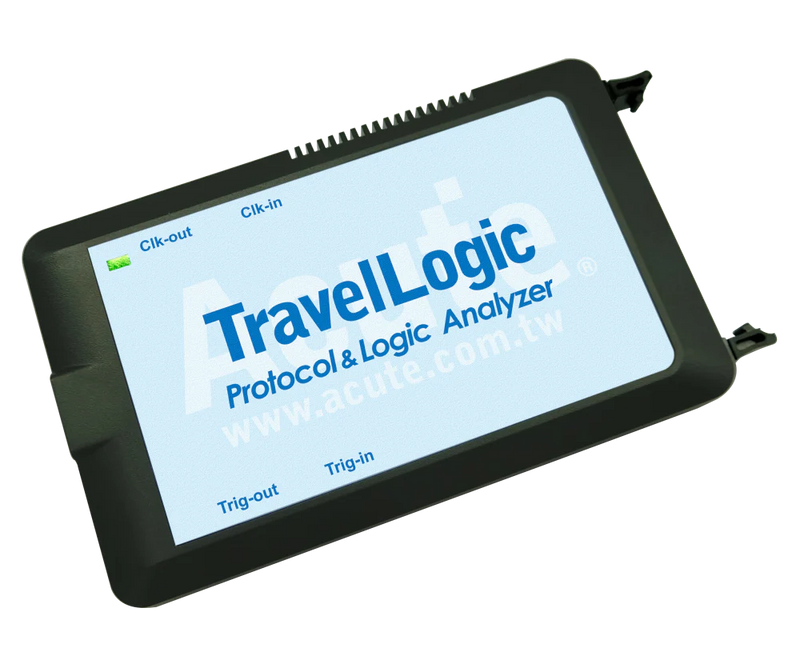
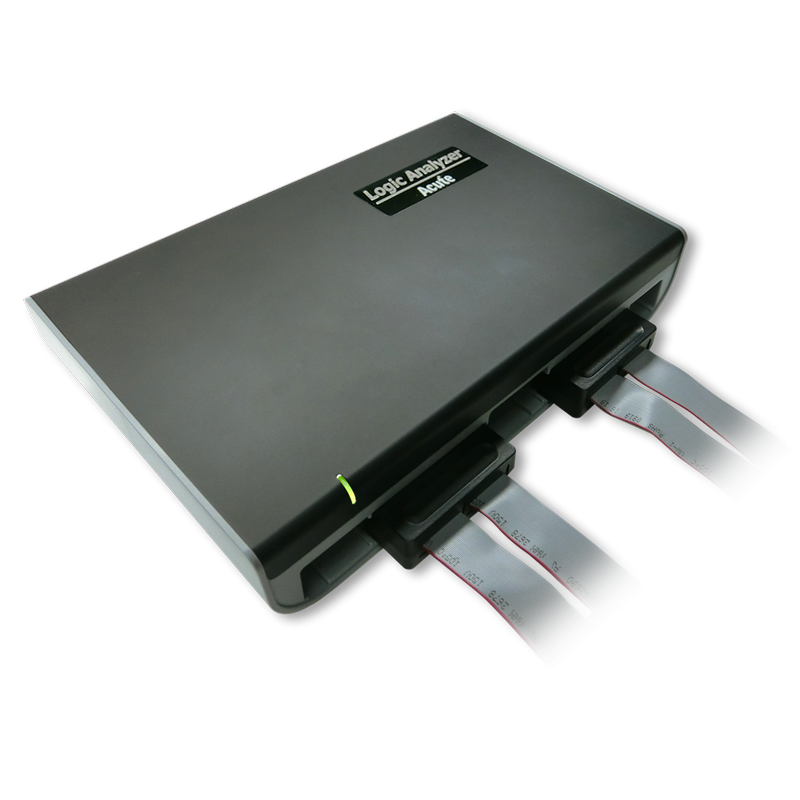
Instrumentos Acute compatíveis com MIPI D-PHY
Pronto para analisar este protocolo?
Veja como os instrumentos Acute capturam e decodificam este protocolo em tempo real. Solicite uma demo ou entre em contato com nossa equipe.
Como analisar MIPI D-PHY com instrumentos Acute
Conecte seu analisador lógico Acute aos sinais diferenciais das faixas CLK e DATA do D-PHY usando sondas apropriadas.
Conecte um fio terra a referência de terra da placa alvo.
No software Acute, selecione o MIPI D-PHY protocol decoder e atribua os sinais de clock e faixas de dados aos canais de entrada correspondentes.
Configure o número de active data lanes and expected HS data rate.
Capture e visualize os D-PHY lane states including LP-00, LP-01, LP-10, LP-11, HS burst data, and timing parameters for LP-to-HS and HS-to-LP transitions.