MIPI D-PHY Protocol Support
Display & CameraMIPI D-PHY Physical Layer
What is MIPI D-PHY?
MIPI D-PHY is the physical layer specification used by MIPI CSI-2 (camera) and MIPI DSI (display) interfaces. It defines a source-synchronous, differential serial interface with two operating modes: a high-speed (HS) mode for burst data transfer at up to 2.5 Gbps per lane, and a low-power (LP) mode for control signaling at up to 10 Mbps. D-PHY uses differential clock and data lane pairs, with each data lane capable of independent LP signaling on its individual positive and negative lines. Engineers debugging camera sensor bring-up, display initialization, and mobile platform video paths need D-PHY analysis to verify LP/HS mode transitions, lane state sequences, and timing compliance at the physical layer.
MIPI D-PHY Quick Reference
| type | Serial, source-synchronous |
| signals | CLK+/-, DATA+/- |
| max Speed | 2.5 Gbps per lane |
| voltage Range | 200mV differential |
| features | CSI-2 / DSI physical layer |
Acute Instruments Supporting MIPI D-PHY
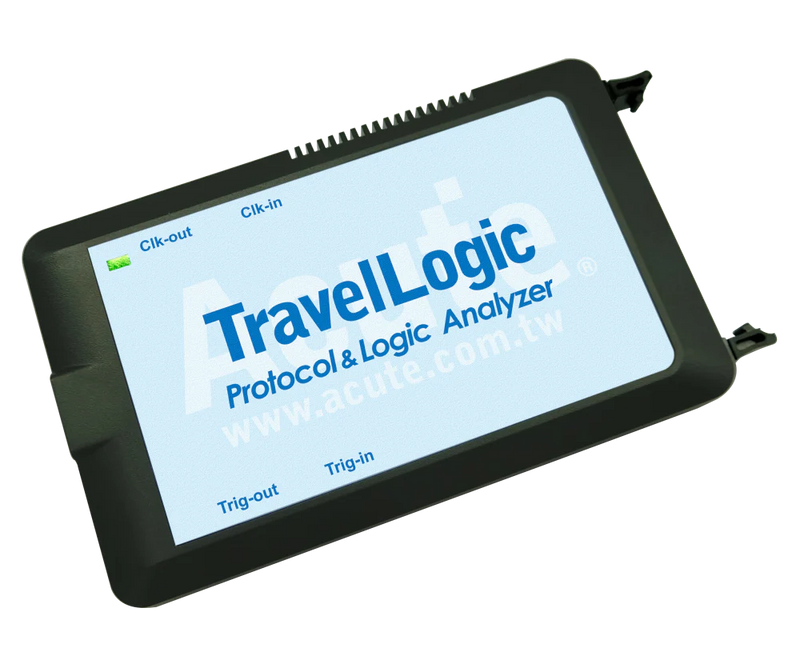
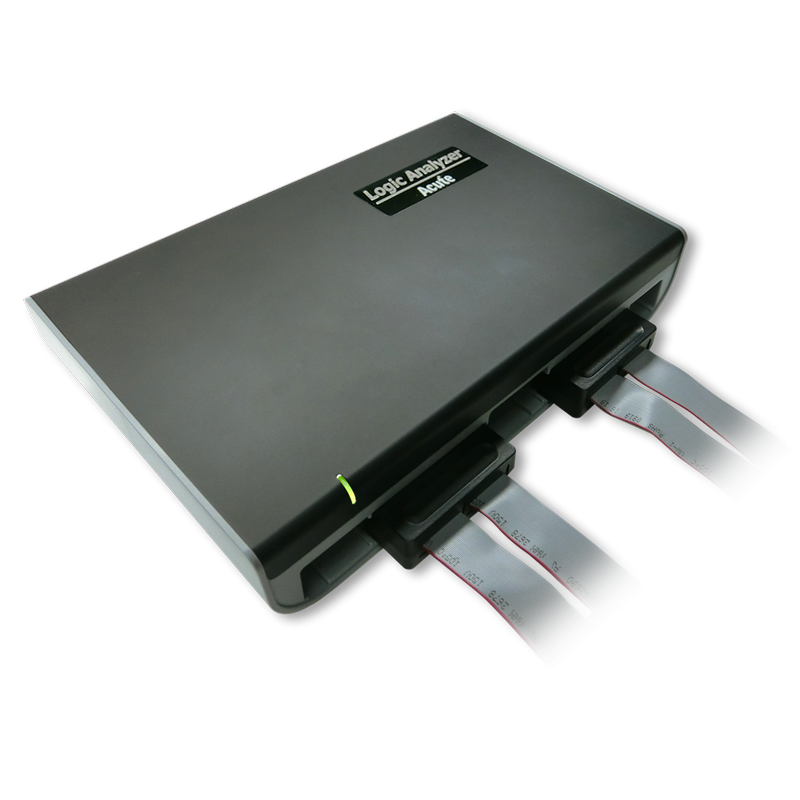
Ready to analyze this protocol?
See how Acute instruments capture and decode this protocol in real time. Request a demo or contact our team.
How to Analyze MIPI D-PHY with Acute Instruments
Connect your Acute logic analyzer to the D-PHY CLK and DATA lane differential signals using appropriate probes.
Attach a ground lead to the target board's ground reference.
In the Acute software, select the MIPI D-PHY protocol decoder and assign the clock and data lane signals to the correct input channels.
Configure the number of active data lanes and expected HS data rate.
Capture and view decoded D-PHY lane states including LP-00, LP-01, LP-10, LP-11, HS burst data, and timing parameters for LP-to-HS and HS-to-LP transitions.