10BASE-T1S Protocolos suportados
Automotivo10BASE-T1S Automotive Ethernet
O que é 10BASE-T1S?
10BASE-T1S is an IEEE 802.3cg Ethernet standard designed for multi-drop, single twisted-pair automotive and industrial networks. Unlike traditional point-to-point Ethernet, 10BASE-T1S supports a multi-drop bus topology with up to 8 or more nodes sharing a single cable segment, using PLCA (Physical Layer Collision Avoidance) to manage medium access. Operating at 10 Mbps over a single unshielded twisted pair, 10BASE-T1S is positioned as a modern replacement for CAN and LIN in vehicle zone architectures, connecting sensors, actuators, and low-bandwidth ECUs. Engineers developing automotive Ethernet networks need to debug PLCA timing, node beacon sequences, collision handling, and Ethernet frame delivery on the multi-drop bus.
10BASE-T1S Referência rápida
| type | Serial, differential |
| signals | Single twisted pair |
| max Speed | 10 Mbps |
| standard | IEEE 802.3cg |
| topology | Multi-drop |
Instrumentos Acute compatíveis com 10BASE-T1S
Soluções recomendadas
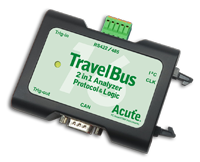
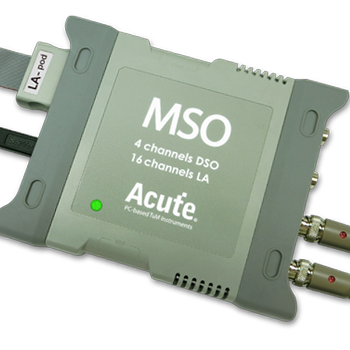
Todos os produtos compatíveis
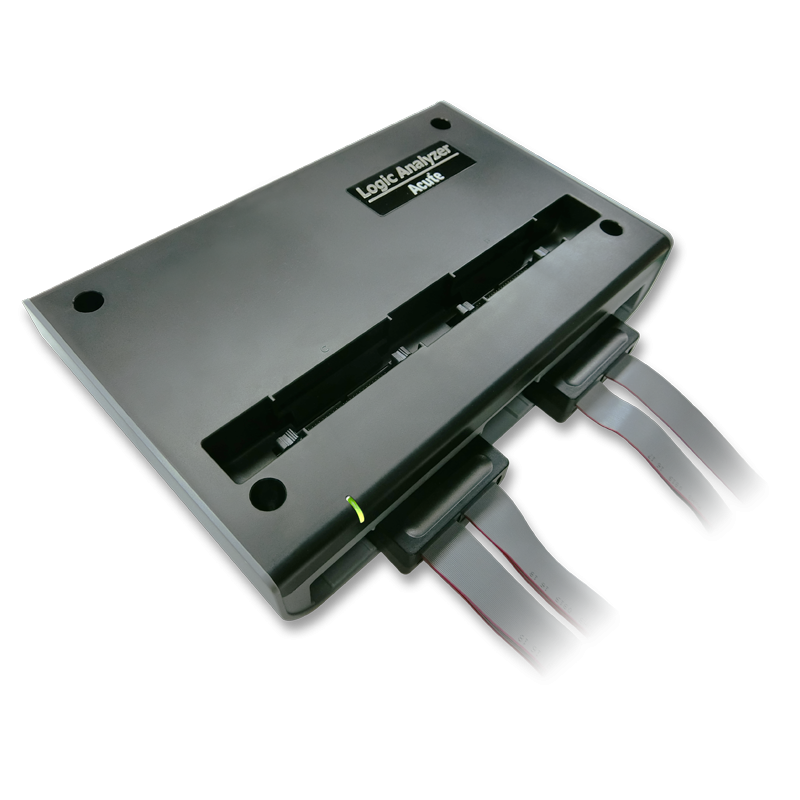
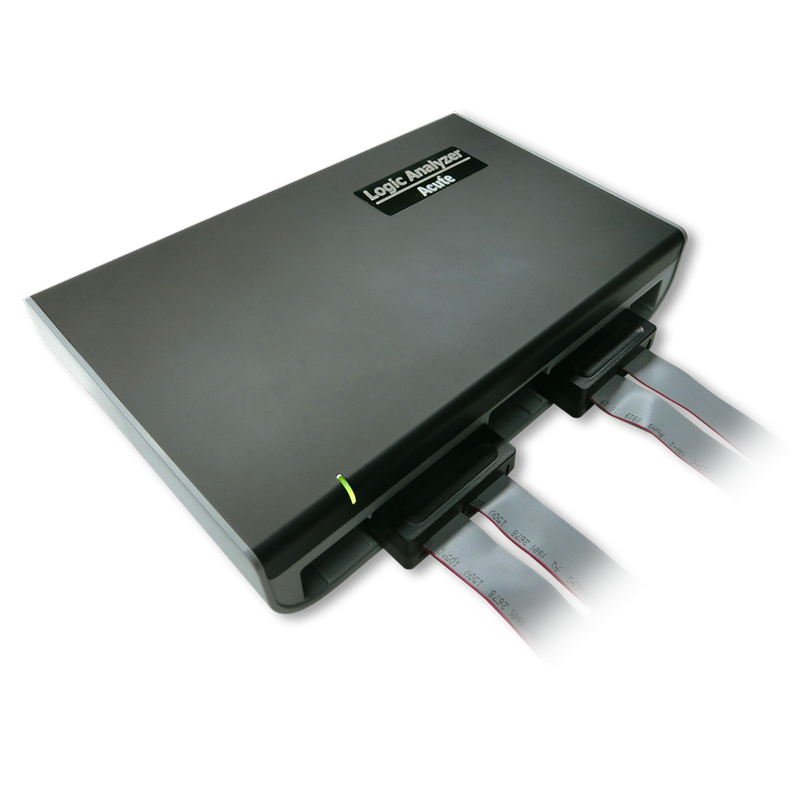
Pronto para analisar este protocolo?
Veja como os instrumentos Acute capturam e decodificam este protocolo em tempo real. Solicite uma demo ou entre em contato com nossa equipe.
Como analisar 10BASE-T1S com instrumentos Acute
Conecte seu analisador lógico Acute aos sinais de par trancado único 10BASE-T1S usando sondas apropriadas.
Conecte um fio terra a referência de terra da placa alvo.
No software Acute, selecione o 10BASE-T1S protocol decoder e atribua os sinais aos canais de entrada correspondentes.
Configure o decodificador para expected PLCA settings (node count, burst timer, TO timer).
Capture e visualize os Ethernet frames and PLCA beacon/transmit opportunity sequences, verifying multi-drop bus access timing and frame delivery.