10BASE-T1S Protocol Support
Automotive10BASE-T1S Automotive Ethernet
What is 10BASE-T1S?
10BASE-T1S is an IEEE 802.3cg Ethernet standard designed for multi-drop, single twisted-pair automotive and industrial networks. Unlike traditional point-to-point Ethernet, 10BASE-T1S supports a multi-drop bus topology with up to 8 or more nodes sharing a single cable segment, using PLCA (Physical Layer Collision Avoidance) to manage medium access. Operating at 10 Mbps over a single unshielded twisted pair, 10BASE-T1S is positioned as a modern replacement for CAN and LIN in vehicle zone architectures, connecting sensors, actuators, and low-bandwidth ECUs. Engineers developing automotive Ethernet networks need to debug PLCA timing, node beacon sequences, collision handling, and Ethernet frame delivery on the multi-drop bus.
10BASE-T1S Quick Reference
| type | Serial, differential |
| signals | Single twisted pair |
| max Speed | 10 Mbps |
| standard | IEEE 802.3cg |
| topology | Multi-drop |
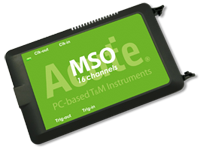
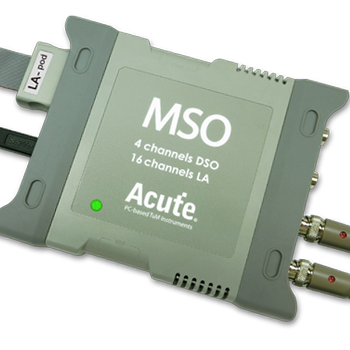
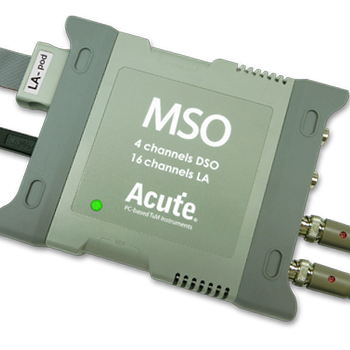
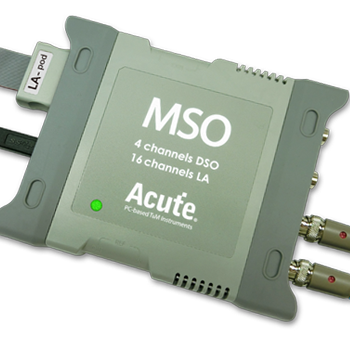
Acute Instruments Supporting 10BASE-T1S
Recommended Solutions
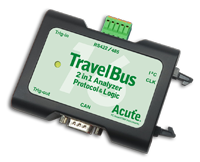
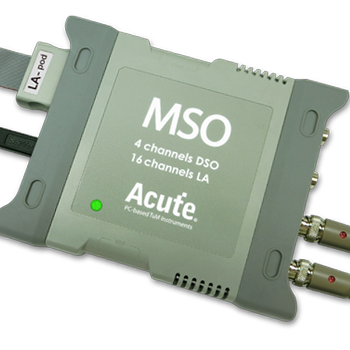
All Supporting Products
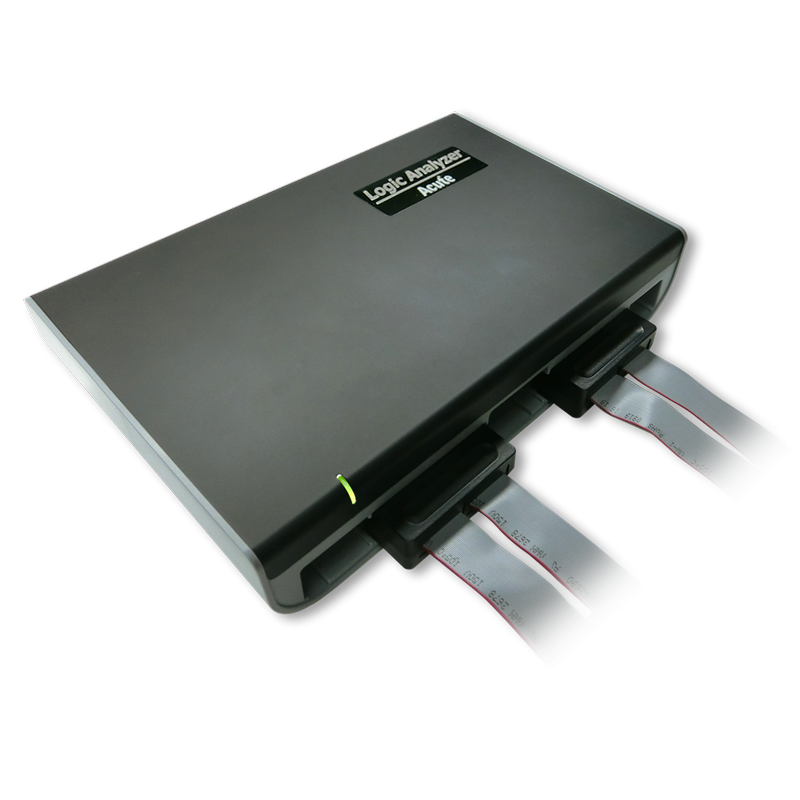
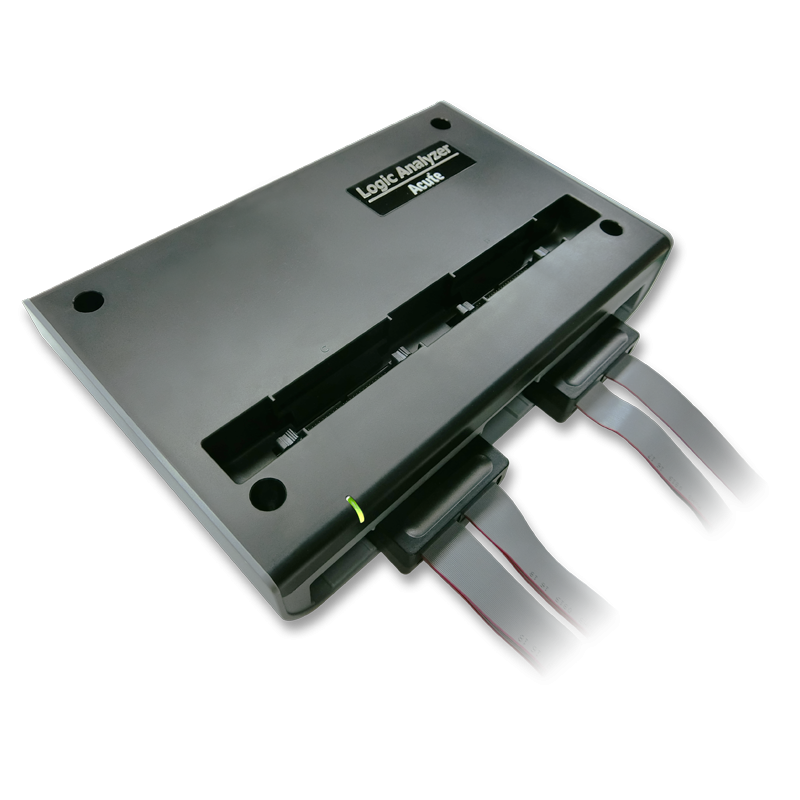
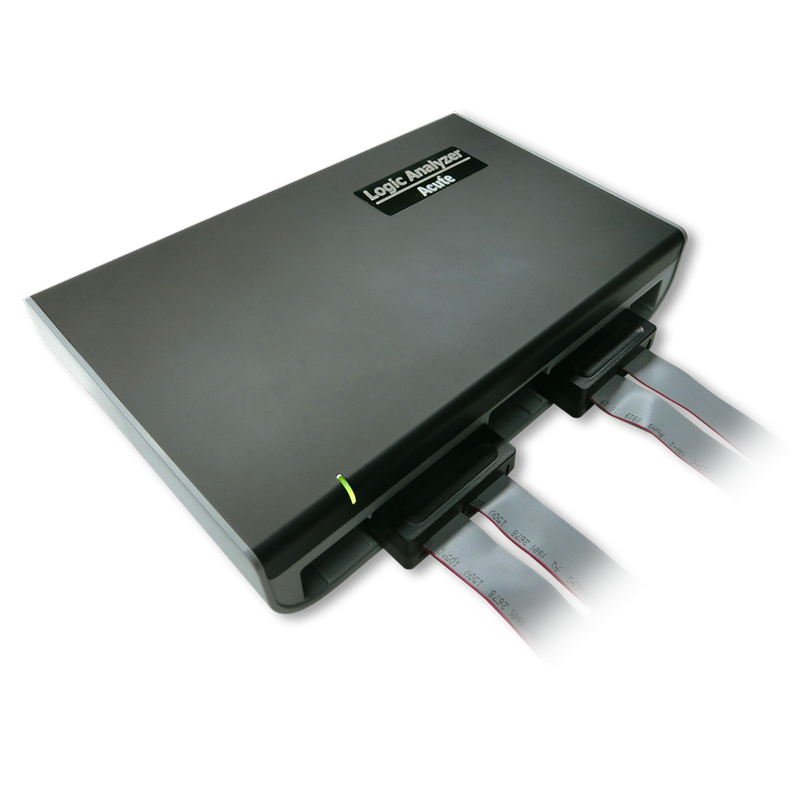
Ready to analyze this protocol?
See how Acute instruments capture and decode this protocol in real time. Request a demo or contact our team.
How to Analyze 10BASE-T1S with Acute Instruments
Connect your Acute logic analyzer to the 10BASE-T1S single twisted pair signals using appropriate probes.
Attach a ground lead to the target board's ground reference.
In the Acute software, select the 10BASE-T1S protocol decoder and assign the signals to the correct input channels.
Configure the decoder for the expected PLCA settings (node count, burst timer, TO timer).
Capture and view decoded Ethernet frames and PLCA beacon/transmit opportunity sequences, verifying multi-drop bus access timing and frame delivery.