OPEN Alliance TC6 Protocol Support
AutomotiveOPEN Alliance TC6 10BASE-T1S MAC-PHY
What is OPEN Alliance TC6?
OPEN Alliance TC6 defines the SPI-based interface between a host controller and a 10BASE-T1S MAC-PHY device. Instead of implementing the Ethernet MAC in the host, TC6 MAC-PHY devices integrate both MAC and PHY functions, exposing a simple SPI interface for the host to send and receive Ethernet frames. The TC6 protocol defines the SPI frame format, header structure, data chunk transfer, and control commands for configuration, status polling, and frame transfer. Engineers developing automotive Ethernet nodes using TC6 MAC-PHY chips need to debug the SPI-level communication to verify frame transfer, configuration register access, and interrupt handling between the host microcontroller and the MAC-PHY device.
OPEN Alliance TC6 Quick Reference
| type | SPI-based MAC-PHY interface |
| signals | SPI + interrupt |
| max Speed | 10 Mbps Ethernet via SPI |
| standard | OPEN Alliance TC6 |
Acute Instruments Supporting OPEN Alliance TC6
Recommended Solutions
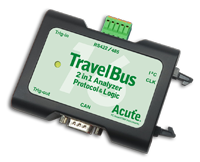
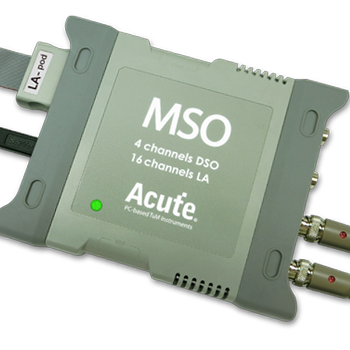
All Supporting Products
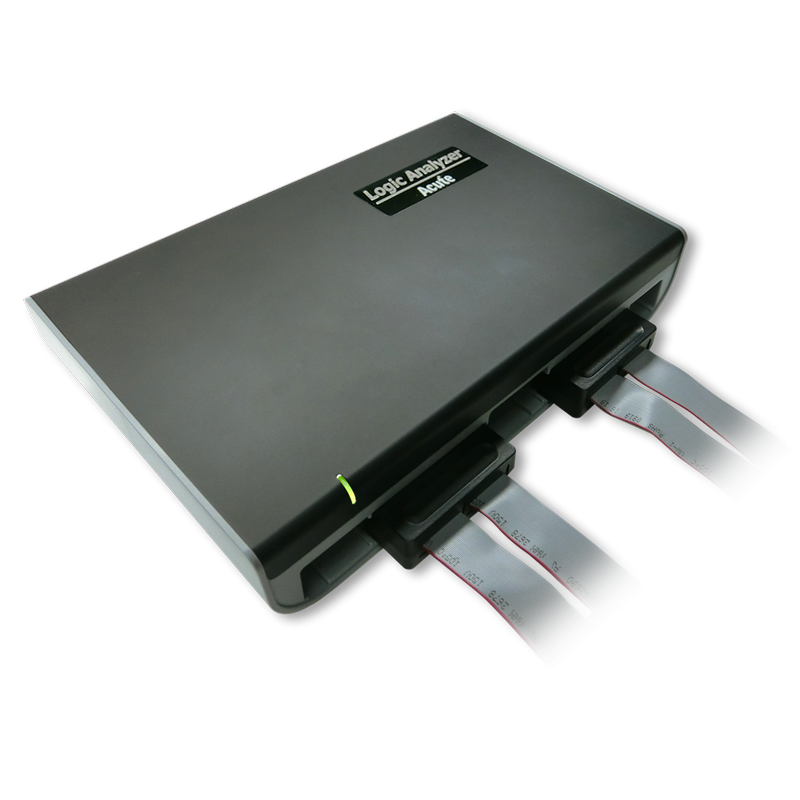
Ready to analyze this protocol?
See how Acute instruments capture and decode this protocol in real time. Request a demo or contact our team.
How to Analyze OPEN Alliance TC6 with Acute Instruments
Connect your Acute logic analyzer to the SPI interface between the host controller and the TC6 MAC-PHY: CLK, CS#, MOSI, MISO, and optionally the interrupt line.
Attach a ground lead to the target board's ground reference.
In the Acute software, select the OPEN Alliance TC6 protocol decoder and assign each SPI signal to the correct input channel.
Configure the SPI mode and the TC6 chunk size setting matching your MAC-PHY configuration.
Capture and view decoded TC6 transactions showing data headers, control commands, Ethernet frame payloads, and status information.