10BASE-T1S Protocolos compatibles
Automotriz10BASE-T1S Automotive Ethernet
¿Qué es 10BASE-T1S?
10BASE-T1S is an IEEE 802.3cg Ethernet standard designed for multi-drop, single twisted-pair automotive and industrial networks. Unlike traditional point-to-point Ethernet, 10BASE-T1S supports a multi-drop bus topology with up to 8 or more nodes sharing a single cable segment, using PLCA (Physical Layer Collision Avoidance) to manage medium access. Operating at 10 Mbps over a single unshielded twisted pair, 10BASE-T1S is positioned as a modern replacement for CAN and LIN in vehicle zone architectures, connecting sensors, actuators, and low-bandwidth ECUs. Engineers developing automotive Ethernet networks need to debug PLCA timing, node beacon sequences, collision handling, and Ethernet frame delivery on the multi-drop bus.
10BASE-T1S Referencia rápida
| type | Serial, differential |
| signals | Single twisted pair |
| max Speed | 10 Mbps |
| standard | IEEE 802.3cg |
| topology | Multi-drop |
Instrumentos Acute compatibles con 10BASE-T1S
Soluciones recomendadas
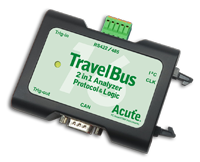
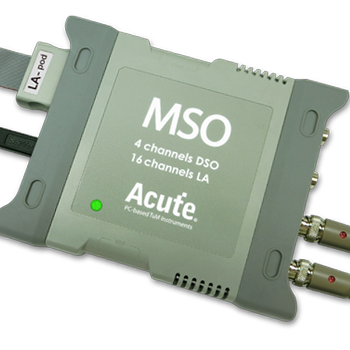
Todos los productos compatibles
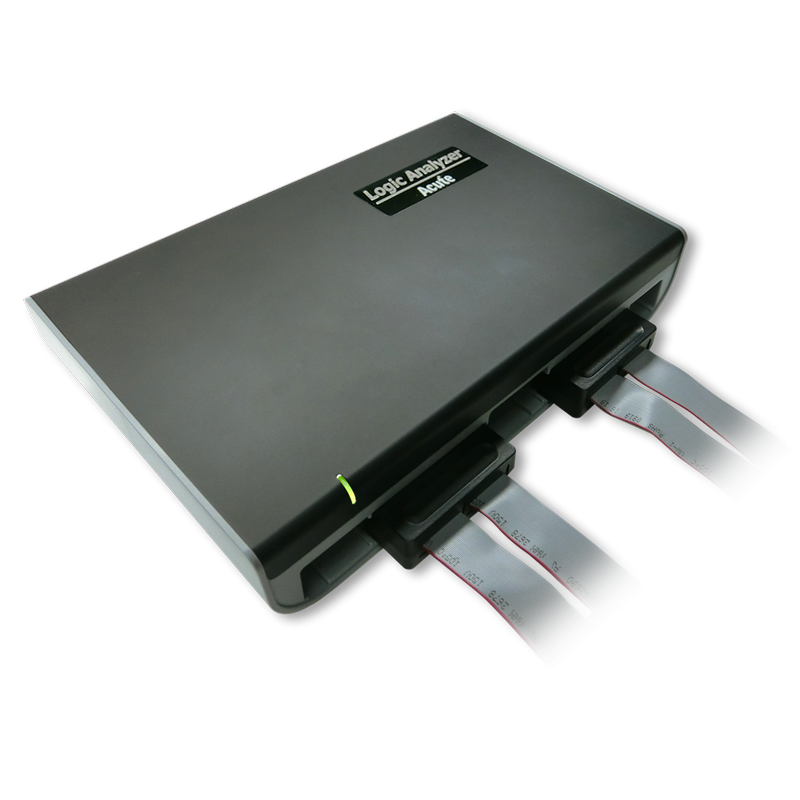
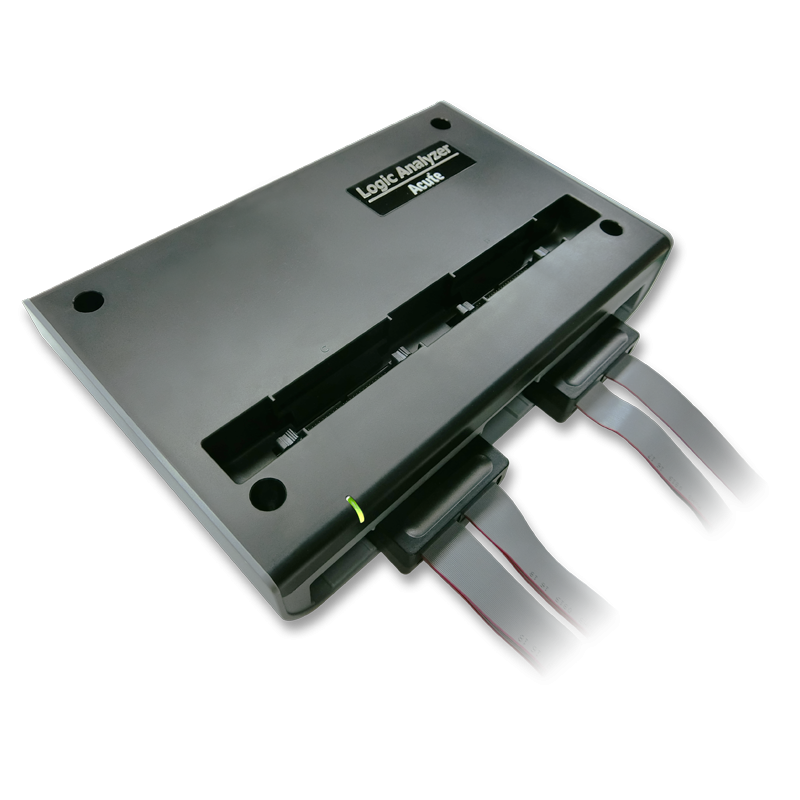
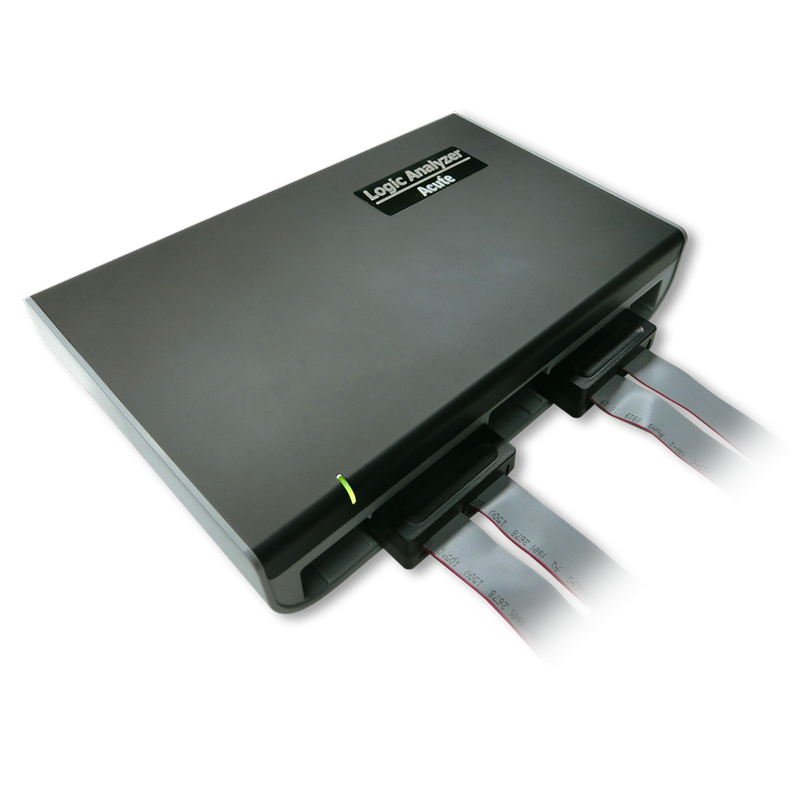
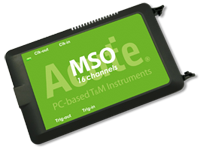
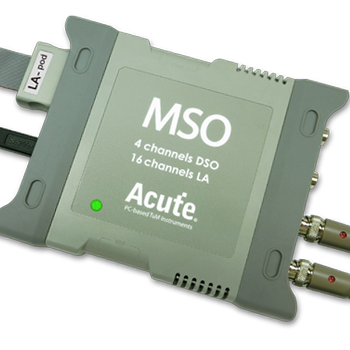
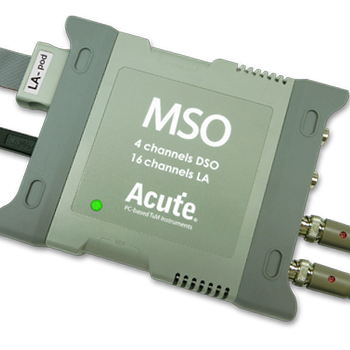
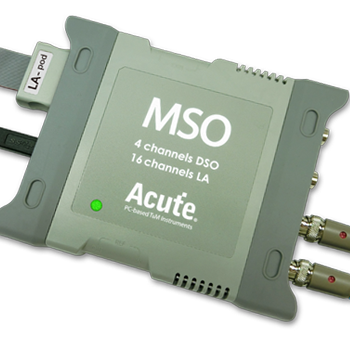
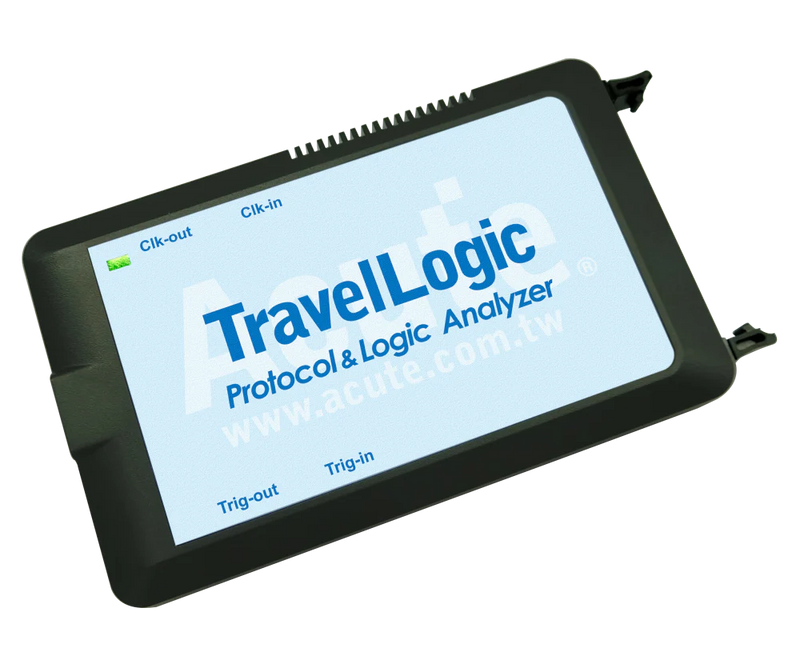
¿Listo para analizar este protocolo?
Vea cómo los instrumentos Acute capturan y decodifican este protocolo en tiempo real. Solicite una demo o contacte a nuestro equipo.
¿Cómo analizar 10BASE-T1S con instrumentos Acute
Conecte su analizador lógico Acute a las señales de par trenzado único 10BASE-T1S usando sondas apropiadas.
Conecte un cable de tierra a la referencia de tierra de la placa objetivo.
En el software Acute, seleccione el 10BASE-T1S protocol decoder y asigne las señales a los canales de entrada correspondientes.
Configure el decodificador para expected PLCA settings (node count, burst timer, TO timer).
Capture y visualice los Ethernet frames and PLCA beacon/transmit opportunity sequences, verifying multi-drop bus access timing and frame delivery.