HDLC Protocolos suportados
Robótica e indústriaHigh-Level Data Link Control
O que é HDLC?
HDLC (High-Level Data Link Control) is a bit-oriented data link layer protocol defined in ISO 13239, widely used in telecommunications, industrial control, and legacy serial communication systems. HDLC provides a framing mechanism using flag sequences (0x7E), bit-stuffing for transparency, address and control fields, and FCS (Frame Check Sequence) error detection. HDLC is the foundation for many derived protocols including SDLC, LAPB (X.25), LAPD (ISDN), and PPP framing. Engineers debugging telecom interfaces, legacy industrial networks, and point-to-point serial links encounter HDLC framing in many contexts and need protocol analysis to verify frame integrity, identify addressing errors, and diagnose communication failures.
HDLC Referência rápida
| type | Serial, synchronous/asynchronous |
| signals | DATA, CLK |
| features | ISO 13239 framing protocol |
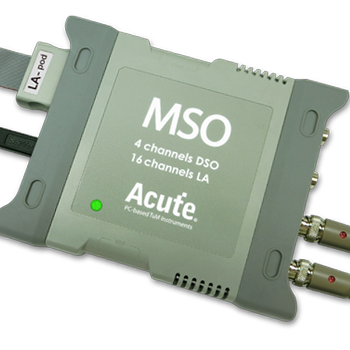
Instrumentos Acute compatíveis com HDLC
Soluções recomendadas
Recomendado para decodificação
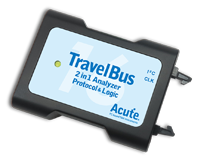
TB3016F
only decode
Com canais analógicos
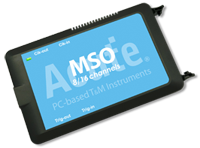
MSO2116E
only decode
Todos os produtos compatíveis
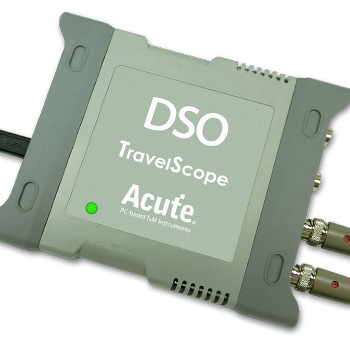
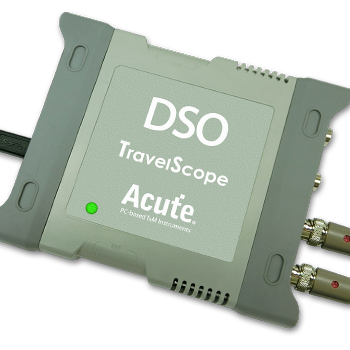
Famílias de produtos compatíveis
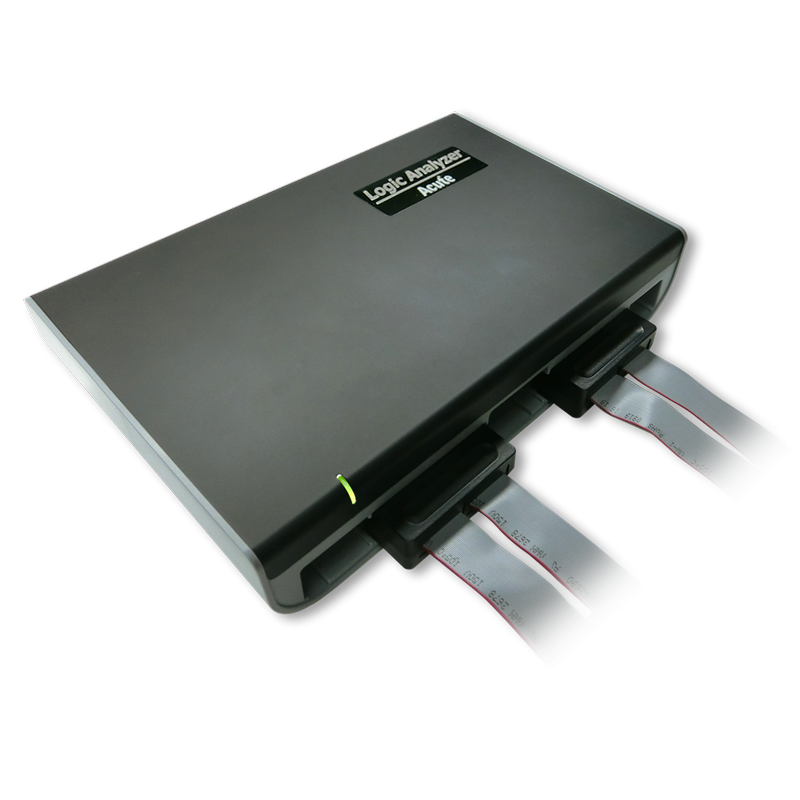
Pronto para analisar este protocolo?
Veja como os instrumentos Acute capturam e decodificam este protocolo em tempo real. Solicite uma demo ou entre em contato com nossa equipe.
Como analisar HDLC com instrumentos Acute
Conecte seu analisador lógico Acute aos sinais HDLC DATA e CLK (para HDLC sincrono) ou apenas ao sinal DATA (para enquadramento assincrono).
Conecte um fio terra a referência de terra da placa alvo.
No software Acute, selecione o HDLC protocol decoder e atribua os sinais aos canais de entrada correspondentes.
Configure the decoder for synchronous or asynchronous mode, address length, and CRC type (CRC-16 or CRC-32).
Capture e visualize os HDLC frames showing flag delimiters, address, control field, information payload, and FCS validation status.