HDLC Protocolos compatibles
Robótica e industriaHigh-Level Data Link Control
¿Qué es HDLC?
HDLC (High-Level Data Link Control) is a bit-oriented data link layer protocol defined in ISO 13239, widely used in telecommunications, industrial control, and legacy serial communication systems. HDLC provides a framing mechanism using flag sequences (0x7E), bit-stuffing for transparency, address and control fields, and FCS (Frame Check Sequence) error detection. HDLC is the foundation for many derived protocols including SDLC, LAPB (X.25), LAPD (ISDN), and PPP framing. Engineers debugging telecom interfaces, legacy industrial networks, and point-to-point serial links encounter HDLC framing in many contexts and need protocol analysis to verify frame integrity, identify addressing errors, and diagnose communication failures.
HDLC Referencia rápida
| type | Serial, synchronous/asynchronous |
| signals | DATA, CLK |
| features | ISO 13239 framing protocol |
Instrumentos Acute compatibles con HDLC
Soluciones recomendadas
Recomendado para decodificación
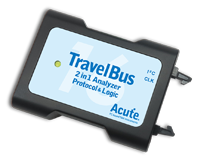
TB3016F
only decode
Con canales analógicos
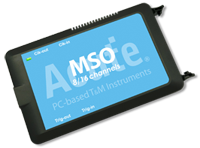
MSO2116E
only decode
Todos los productos compatibles
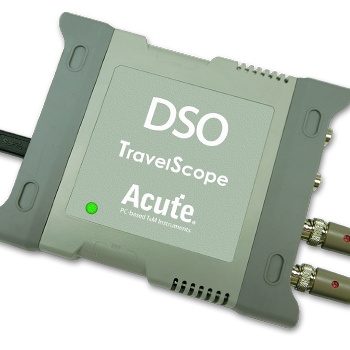
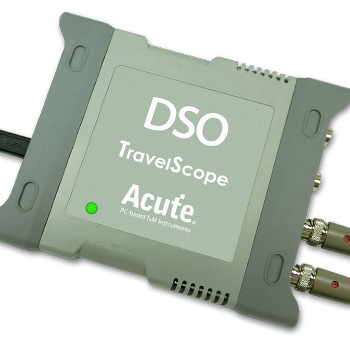
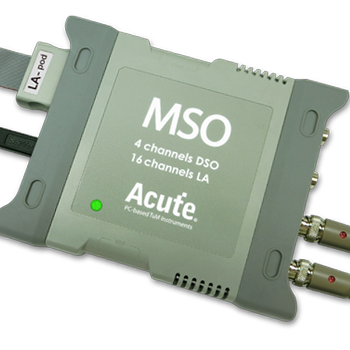
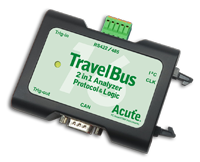
Familias de productos compatibles
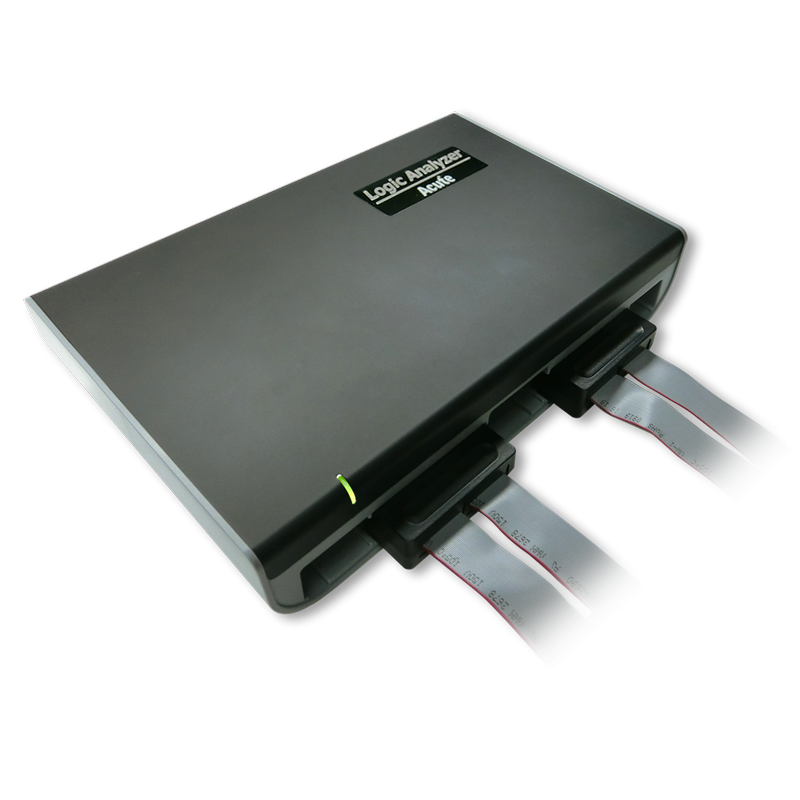
¿Listo para analizar este protocolo?
Vea cómo los instrumentos Acute capturan y decodifican este protocolo en tiempo real. Solicite una demo o contacte a nuestro equipo.
¿Cómo analizar HDLC con instrumentos Acute
Conecte su analizador lógico Acute a las señales HDLC DATA y CLK (para HDLC sincrono) o solo a la señal DATA (para enmarcado asincrono).
Conecte un cable de tierra a la referencia de tierra de la placa objetivo.
En el software Acute, seleccione el HDLC protocol decoder y asigne las señales a los canales de entrada correspondientes.
Configure the decoder for synchronous or asynchronous mode, address length, and CRC type (CRC-16 or CRC-32).
Capture y visualice los HDLC frames showing flag delimiters, address, control field, information payload, and FCS validation status.