HDLC Protocol Support
Robotics & IndustrialHigh-Level Data Link Control
What is HDLC?
HDLC (High-Level Data Link Control) is a bit-oriented data link layer protocol defined in ISO 13239, widely used in telecommunications, industrial control, and legacy serial communication systems. HDLC provides a framing mechanism using flag sequences (0x7E), bit-stuffing for transparency, address and control fields, and FCS (Frame Check Sequence) error detection. HDLC is the foundation for many derived protocols including SDLC, LAPB (X.25), LAPD (ISDN), and PPP framing. Engineers debugging telecom interfaces, legacy industrial networks, and point-to-point serial links encounter HDLC framing in many contexts and need protocol analysis to verify frame integrity, identify addressing errors, and diagnose communication failures.
HDLC Quick Reference
| type | Serial, synchronous/asynchronous |
| signals | DATA, CLK |
| features | ISO 13239 framing protocol |
Acute Instruments Supporting HDLC
Recommended Solutions
Recommended for Decode
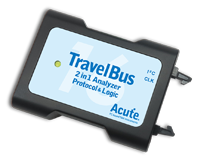
TB3016F
only decode
With Analog Channels
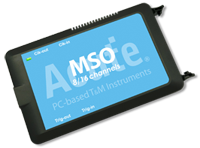
MSO2116E
only decode
All Supporting Products
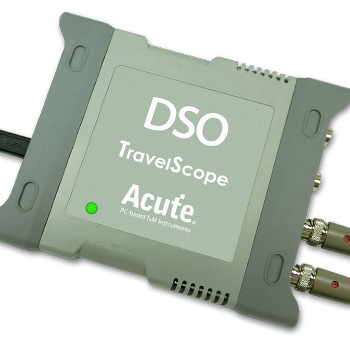
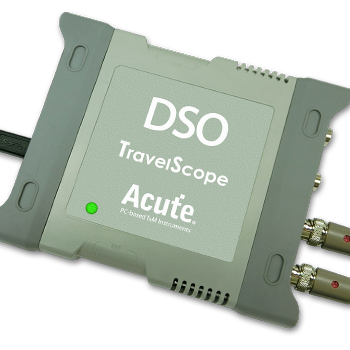
Supported Product Families
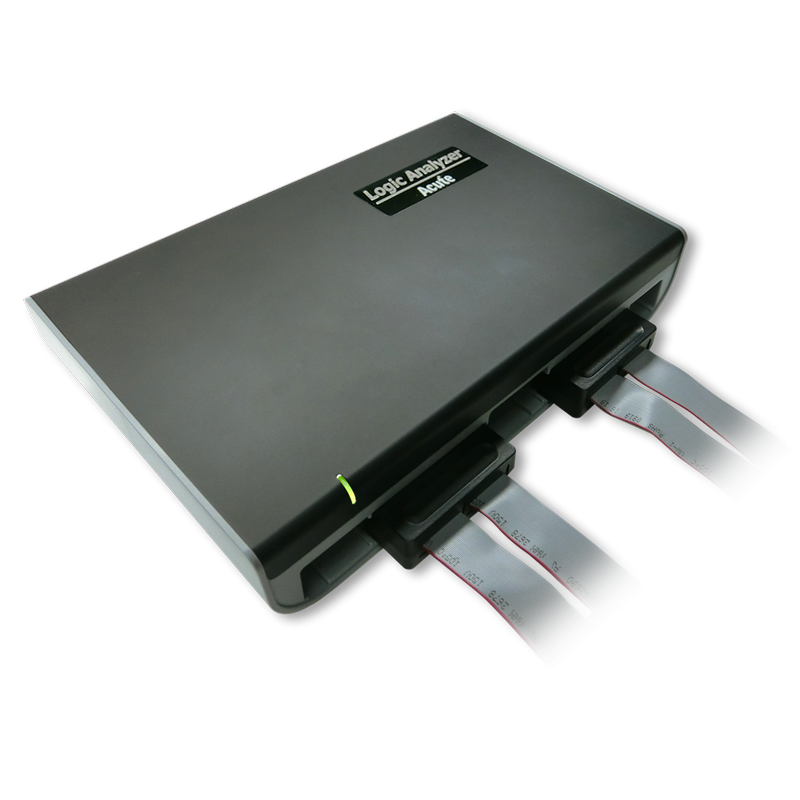
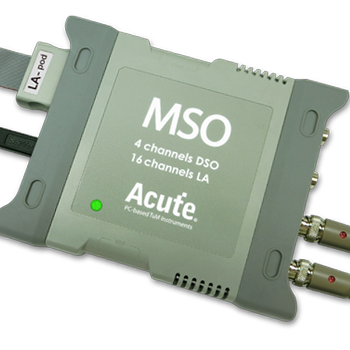
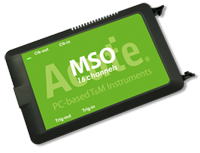
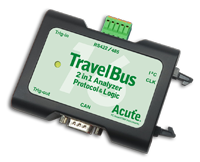
Ready to analyze this protocol?
See how Acute instruments capture and decode this protocol in real time. Request a demo or contact our team.
How to Analyze HDLC with Acute Instruments
Connect your Acute logic analyzer to the HDLC DATA and CLK signals (for synchronous HDLC) or just the DATA signal (for asynchronous framing).
Attach a ground lead to the target board's ground reference.
In the Acute software, select the HDLC protocol decoder and assign the signals to the correct input channels.
Configure the decoder for synchronous or asynchronous mode, address length, and CRC type (CRC-16 or CRC-32).
Capture and view decoded HDLC frames showing flag delimiters, address, control field, information payload, and FCS validation status.