Serial NOR Flash Protocolos suportados
ArmazenamentoSerial NOR Flash (SPI Flash)
O que é Serial NOR Flash?
Serial NOR Flash (commonly called SPI Flash) is the dominant non-volatile storage technology for firmware, boot code, and configuration data in embedded systems. These devices communicate over a standard SPI interface (CLK, CS#, MOSI/IO0, MISO/IO1), with many modern devices also supporting Dual SPI and Quad SPI modes for higher throughput. Serial NOR flash is used as the boot ROM in virtually every computing platform — from microcontrollers to servers — storing BIOS/UEFI firmware, FPGA bitstreams, and application code. Engineers debugging boot failures, firmware corruption, and flash programming issues need to decode the flash command set including read, page program, sector erase, status register operations, and SFDP (Serial Flash Discoverable Parameters) queries.
Serial NOR Flash Referência rápida
| type | Serial, synchronous |
| signals | CLK, CS, MOSI, MISO |
| max Speed | 133 MHz |
| voltage Range | 1.8V – 3.3V |
| features | Boot flash, firmware storage |
Instrumentos Acute compatíveis com Serial NOR Flash
Soluções recomendadas
Recomendado para decodificação
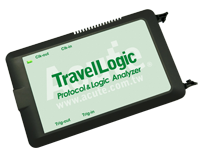
TL4234B
Recomendado para decodificação
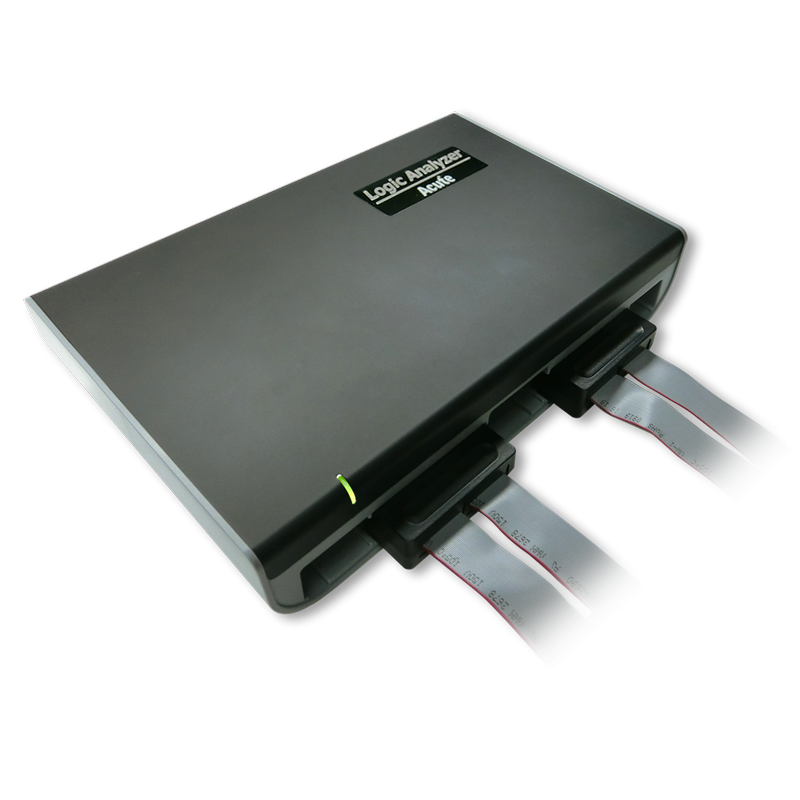
LA4068B
for Octal mode
Todos os produtos compatíveis
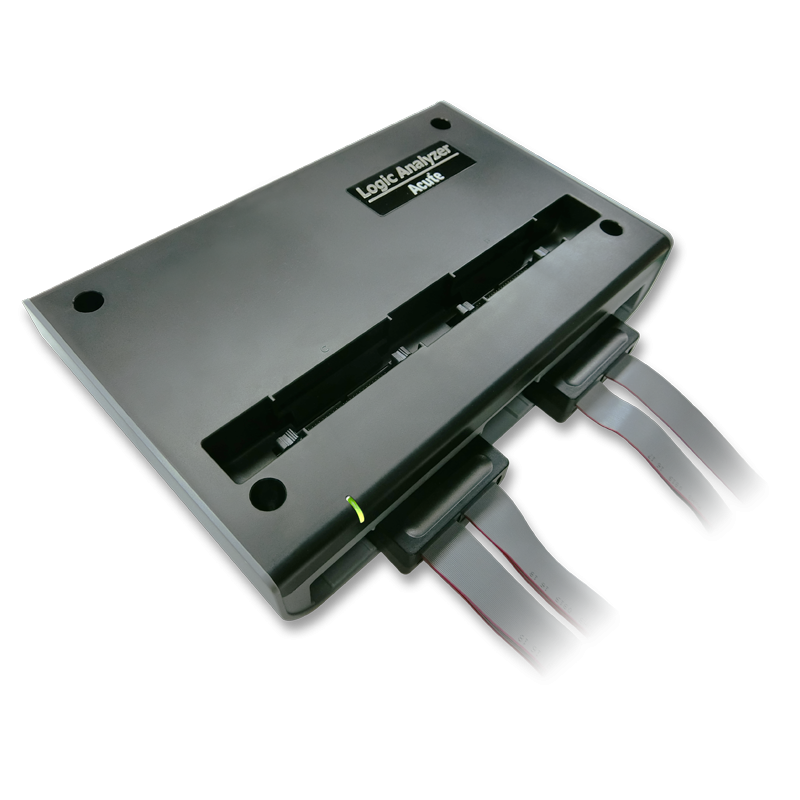
Pronto para analisar este protocolo?
Veja como os instrumentos Acute capturam e decodificam este protocolo em tempo real. Solicite uma demo ou entre em contato com nossa equipe.
Como analisar Serial NOR Flash com instrumentos Acute
Conecte seu analisador lógico Acute aos sinais Serial NOR flash: CLK, CS#, MOSI (IO0) e MISO (IO1). Para modo Quad, conecte também IO2 e IO
Conecte um fio terra a referência de terra da placa alvo.
No software Acute, selecione o Serial NOR Flash protocol decoder e atribua cada sinal ao canal de entrada correspondente.
Configure the flash manufacturer and part number (or set generic SPI flash mode) for correct command interpretation.
Capture e visualize os flash commands showing opcodes, addresses, data bytes, and status register reads for each SPI transaction.