Serial NOR Flash Protocolos compatibles
AlmacenamientoSerial NOR Flash (SPI Flash)
¿Qué es Serial NOR Flash?
Serial NOR Flash (commonly called SPI Flash) is the dominant non-volatile storage technology for firmware, boot code, and configuration data in embedded systems. These devices communicate over a standard SPI interface (CLK, CS#, MOSI/IO0, MISO/IO1), with many modern devices also supporting Dual SPI and Quad SPI modes for higher throughput. Serial NOR flash is used as the boot ROM in virtually every computing platform — from microcontrollers to servers — storing BIOS/UEFI firmware, FPGA bitstreams, and application code. Engineers debugging boot failures, firmware corruption, and flash programming issues need to decode the flash command set including read, page program, sector erase, status register operations, and SFDP (Serial Flash Discoverable Parameters) queries.
Serial NOR Flash Referencia rápida
| type | Serial, synchronous |
| signals | CLK, CS, MOSI, MISO |
| max Speed | 133 MHz |
| voltage Range | 1.8V – 3.3V |
| features | Boot flash, firmware storage |
Instrumentos Acute compatibles con Serial NOR Flash
Soluciones recomendadas
Recomendado para decodificación

TL4234B
Recomendado para decodificación
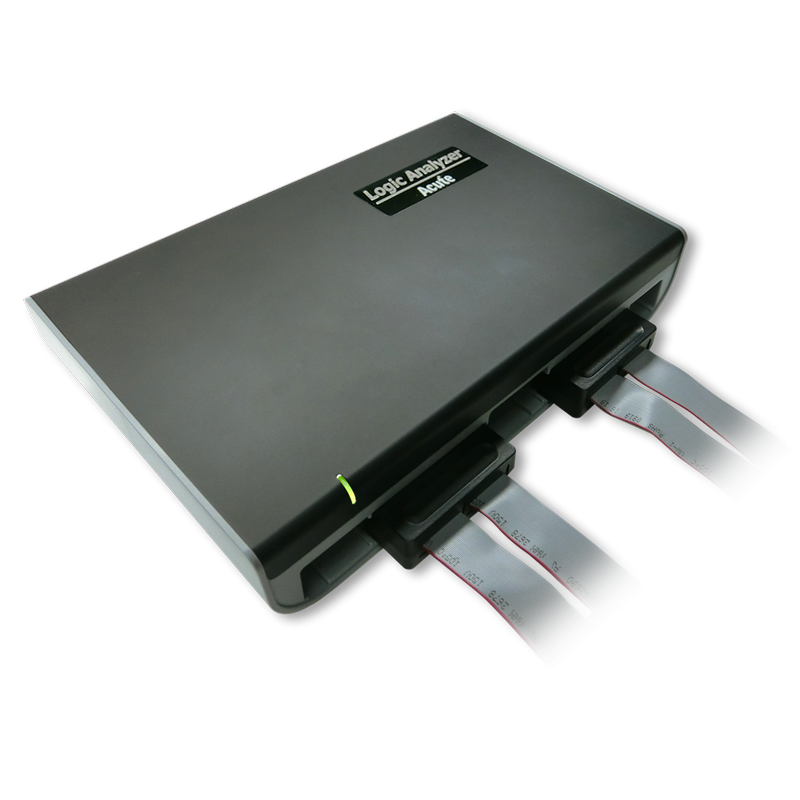
LA4068B
for Octal mode
Todos los productos compatibles
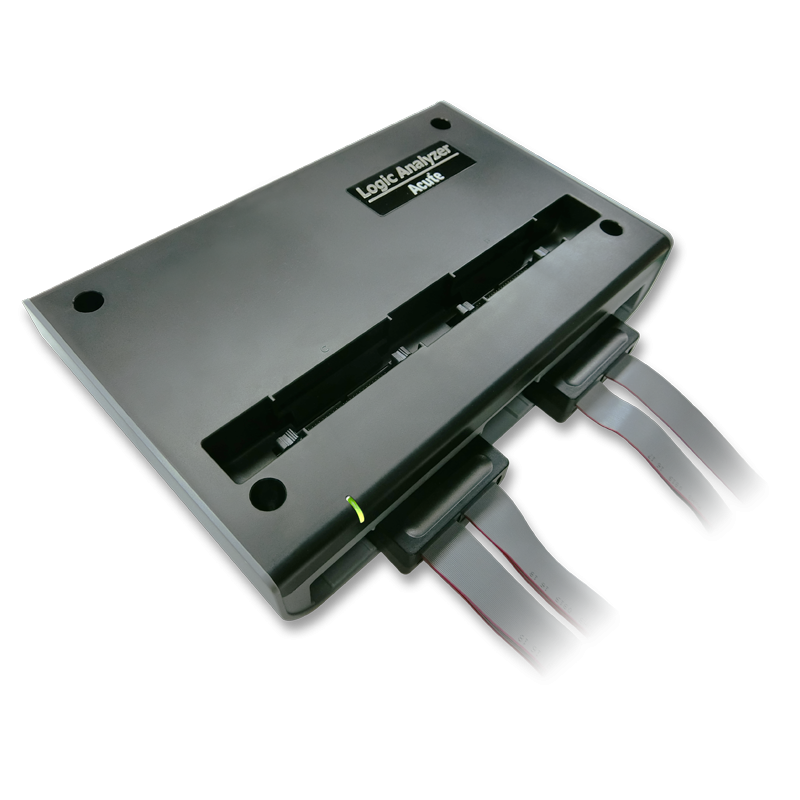
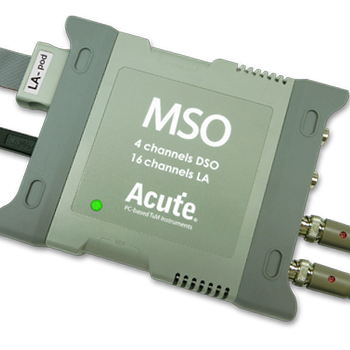
¿Listo para analizar este protocolo?
Vea cómo los instrumentos Acute capturan y decodifican este protocolo en tiempo real. Solicite una demo o contacte a nuestro equipo.
¿Cómo analizar Serial NOR Flash con instrumentos Acute
Conecte su analizador lógico Acute a las señales Serial NOR flash: CLK, CS#, MOSI (IO0) y MISO (IO1). Para modo Quad, conecte también IO2 e IO
Conecte un cable de tierra a la referencia de tierra de la placa objetivo.
En el software Acute, seleccione el Serial NOR Flash protocol decoder y asigne cada señal al canal de entrada correspondiente.
Configure the flash manufacturer and part number (or set generic SPI flash mode) for correct command interpretation.
Capture y visualice los flash commands showing opcodes, addresses, data bytes, and status register reads for each SPI transaction.