RMII Protocolos suportados
Computadores e servidoresReduced Media Independent Interface
O que é RMII?
RMII (Reduced Media Independent Interface) is a simplified version of MII that reduces the pin count for 10/100 Mbps Ethernet MAC-to-PHY connections. RMII uses 2-bit-wide transmit and receive data paths (instead of 4-bit), sharing a single 50 MHz reference clock (instead of separate TX and RX clocks). This reduced pin count makes RMII popular in space-constrained designs and microcontrollers with limited pin availability. The trade-off is a higher clock frequency and tighter timing requirements. Engineers debugging embedded Ethernet implementations frequently encounter RMII interface issues related to clock distribution, timing alignment, and reference clock quality.
RMII Referência rápida
| type | Parallel, reduced pin count |
| signals | TXD[1:0], RXD[1:0], REF_CLK, etc. |
| max Speed | 50 MHz (100 Mbps) |
| voltage Range | 3.3V |
| standard | IEEE 802.3u |
Instrumentos Acute compatíveis com RMII
Soluções recomendadas
Com canais analógicos
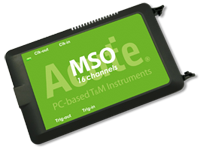
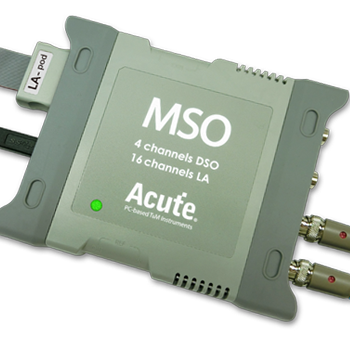
MSO2216B
Todos os produtos compatíveis
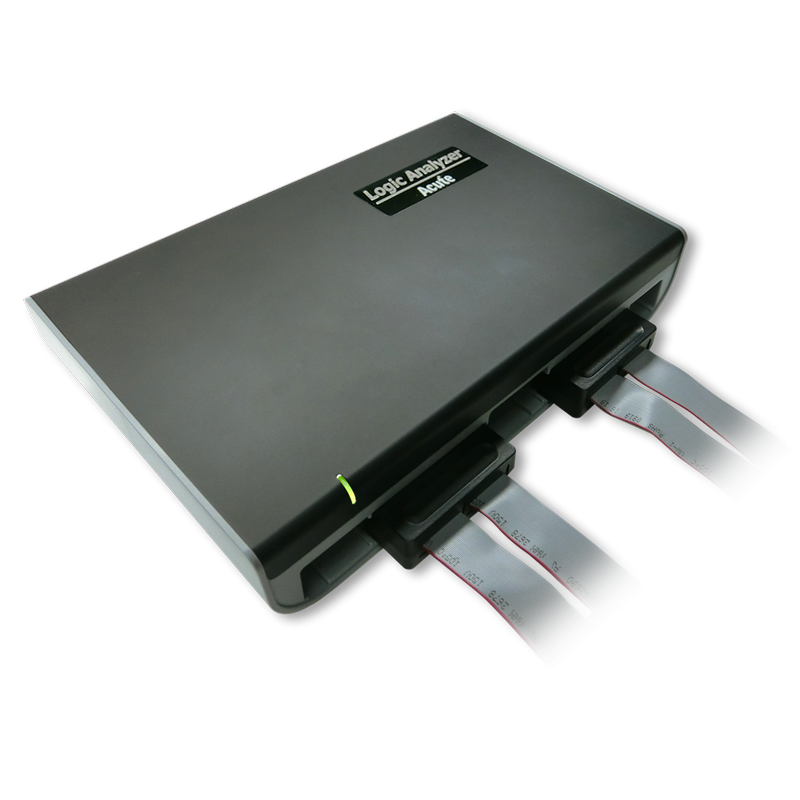
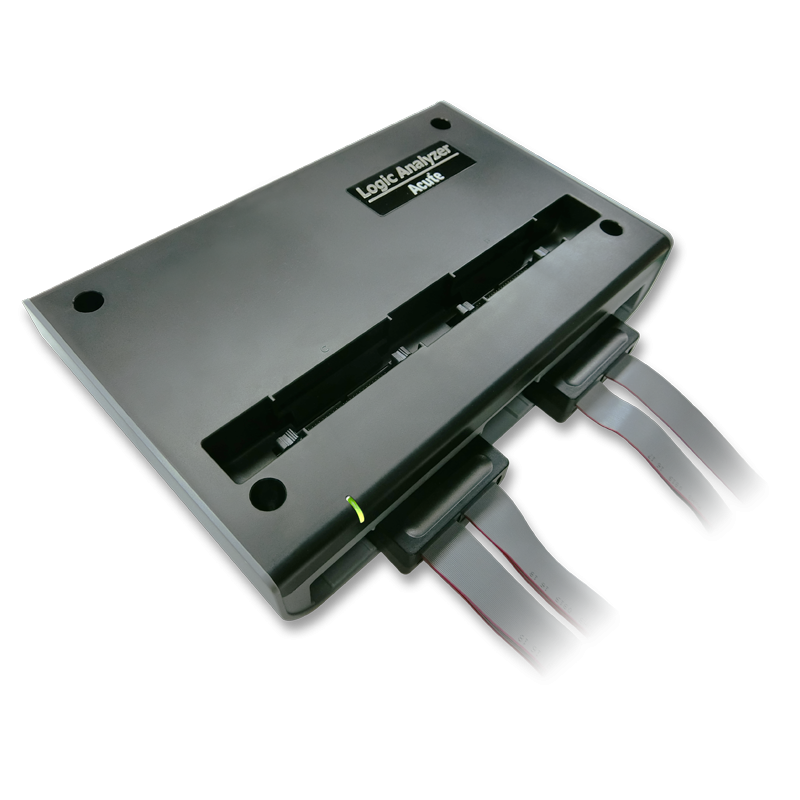
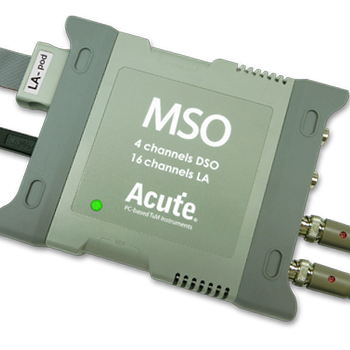

Pronto para analisar este protocolo?
Veja como os instrumentos Acute capturam e decodificam este protocolo em tempo real. Solicite uma demo ou entre em contato com nossa equipe.
Como analisar RMII com instrumentos Acute
Conecte seu analisador lógico Acute aos sinais RMII: TXD[1:0], RXD[1:0], REF_CLK, TX_EN e CRS_DV.
Conecte um fio terra a referência de terra da placa alvo.
No software Acute, selecione o RMII protocol decoder e atribua cada sinal ao canal de entrada correspondente.
Configure os parametros esperados de Ethernet speed (10 or 100 Mbps).
Capture e visualize os Ethernet frames for both transmit and receive directions, verifying frame integrity and timing.