RMII Protocol Support
Computers & ServersReduced Media Independent Interface
What is RMII?
RMII (Reduced Media Independent Interface) is a simplified version of MII that reduces the pin count for 10/100 Mbps Ethernet MAC-to-PHY connections. RMII uses 2-bit-wide transmit and receive data paths (instead of 4-bit), sharing a single 50 MHz reference clock (instead of separate TX and RX clocks). This reduced pin count makes RMII popular in space-constrained designs and microcontrollers with limited pin availability. The trade-off is a higher clock frequency and tighter timing requirements. Engineers debugging embedded Ethernet implementations frequently encounter RMII interface issues related to clock distribution, timing alignment, and reference clock quality.
RMII Quick Reference
| type | Parallel, reduced pin count |
| signals | TXD[1:0], RXD[1:0], REF_CLK, etc. |
| max Speed | 50 MHz (100 Mbps) |
| voltage Range | 3.3V |
| standard | IEEE 802.3u |
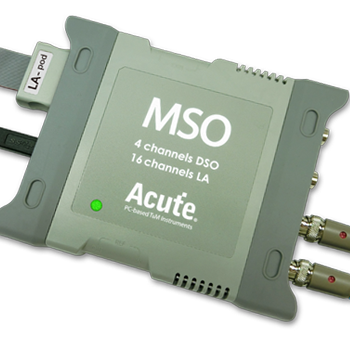

Ready to analyze this protocol?
See how Acute instruments capture and decode this protocol in real time. Request a demo or contact our team.
How to Analyze RMII with Acute Instruments
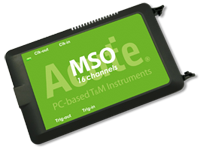
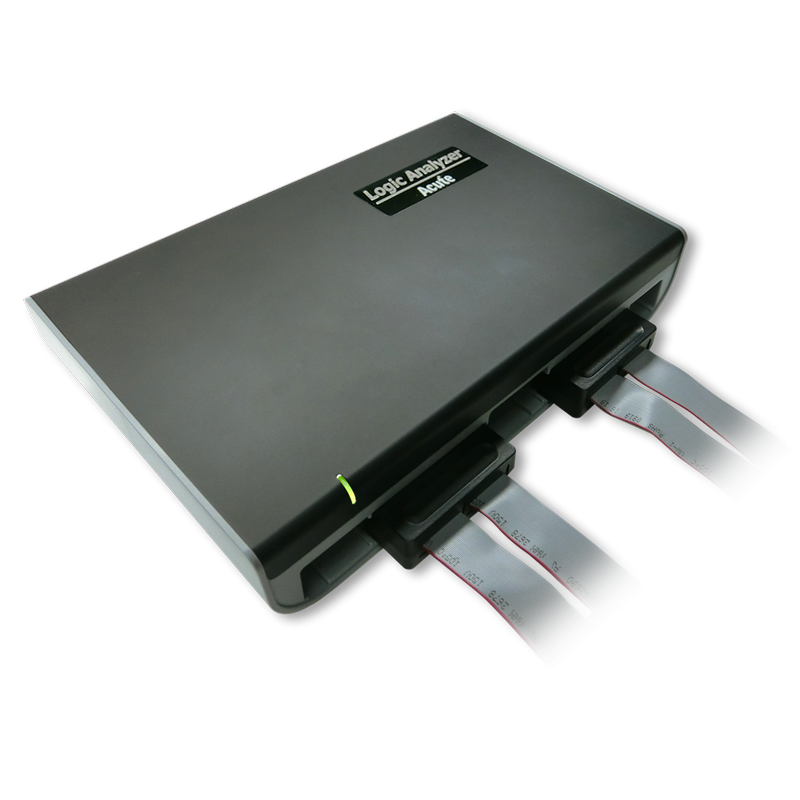
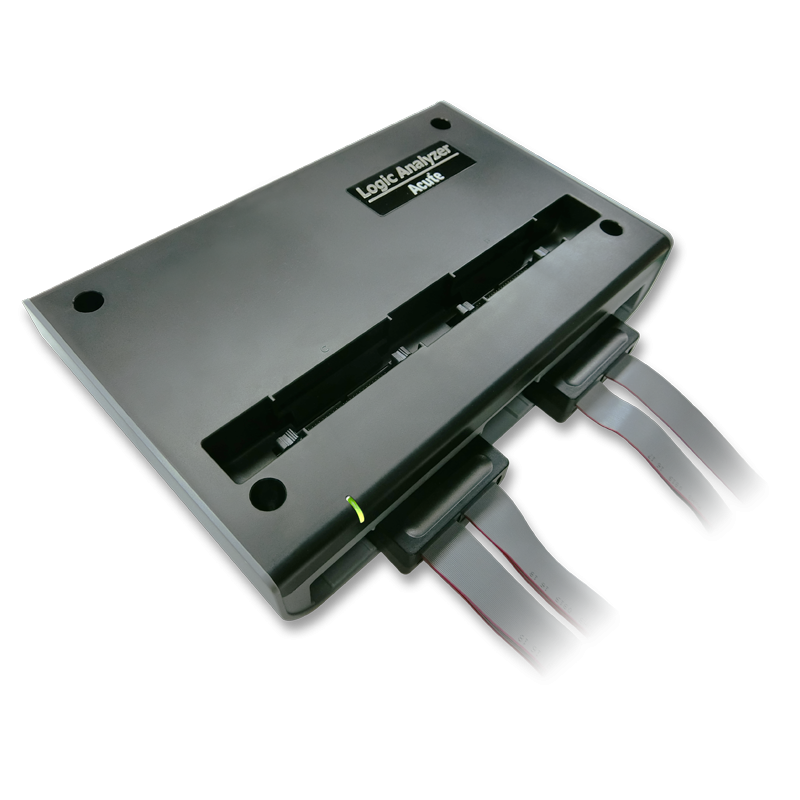
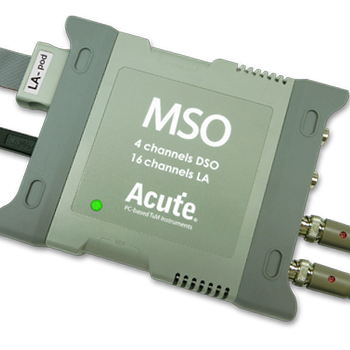
Connect your Acute logic analyzer to the RMII signals: TXD[1:0], RXD[1:0], REF_CLK, TX_EN, and CRS_DV.
Attach a ground lead to the target board's ground reference.
In the Acute software, select the RMII protocol decoder and assign each signal to the correct input channel.
Configure the expected Ethernet speed (10 or 100 Mbps).
Capture and view decoded Ethernet frames for both transmit and receive directions, verifying frame integrity and timing.