RMII Protocolos compatibles
Computadoras y servidoresReduced Media Independent Interface
¿Qué es RMII?
RMII (Reduced Media Independent Interface) is a simplified versión of MII that reduces the pin count for 10/100 Mbps Ethernet MAC-to-PHY connections. RMII uses 2-bit-wide transmit and receive data paths (instead of 4-bit), sharing a single 50 MHz reference clock (instead of separate TX and RX clocks). This reduced pin count makes RMII popular in space-constrained designs and microcontrollers with limited pin availability. The trade-off is a higher clock frequency and tighter timing requirements. Engineers debugging embedded Ethernet implementations frequently encounter RMII interface issues related to clock distribution, timing alignment, and reference clock quality.
RMII Referencia rápida
| type | Parallel, reduced pin count |
| signals | TXD[1:0], RXD[1:0], REF_CLK, etc. |
| max Speed | 50 MHz (100 Mbps) |
| voltage Range | 3.3V |
| standard | IEEE 802.3u |
Instrumentos Acute compatibles con RMII
Soluciones recomendadas
Con canales analógicos
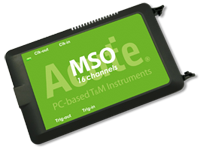
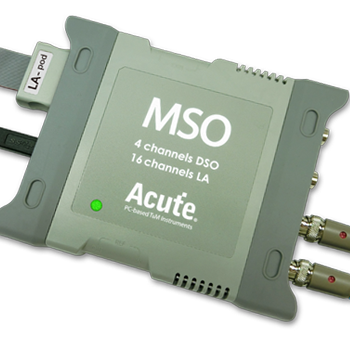
MSO2216B
Todos los productos compatibles
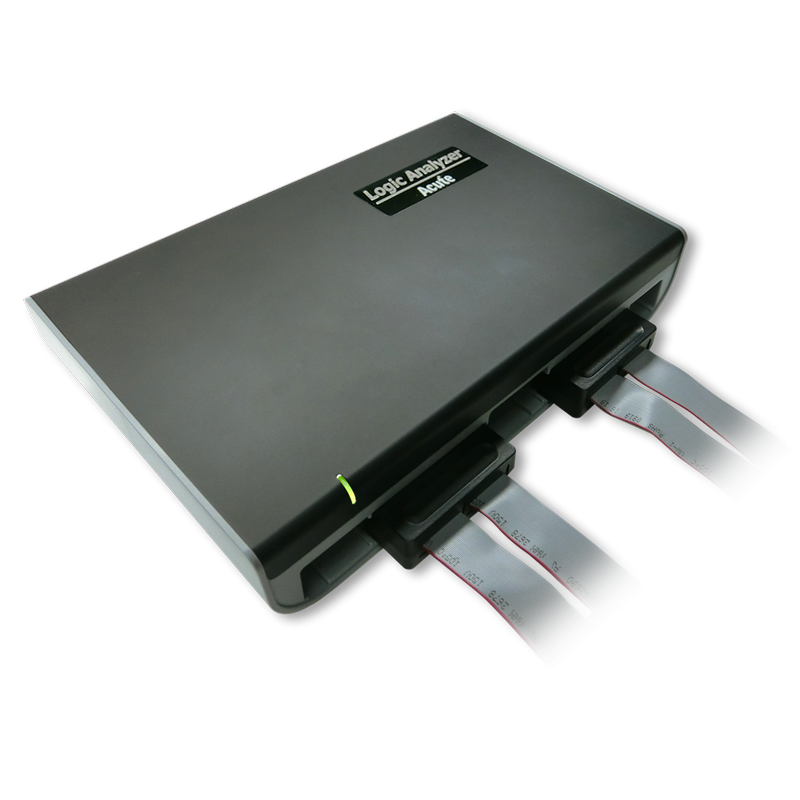
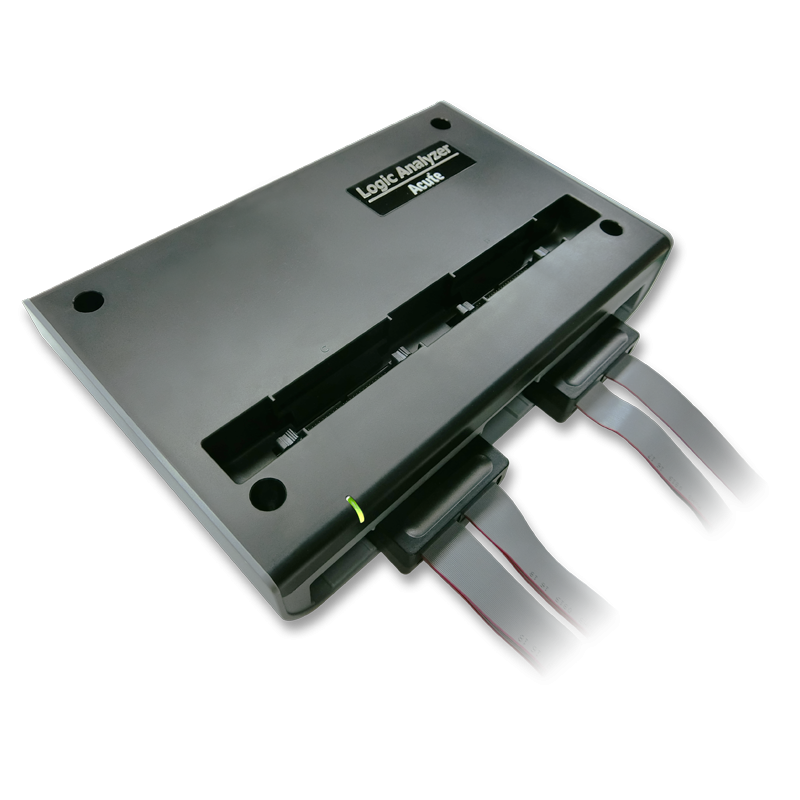
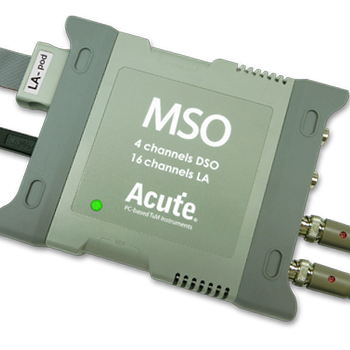

¿Listo para analizar este protocolo?
Vea cómo los instrumentos Acute capturan y decodifican este protocolo en tiempo real. Solicite una demo o contacte a nuestro equipo.
¿Cómo analizar RMII con instrumentos Acute
Conecte su analizador lógico Acute a las señales RMII: TXD[1:0], RXD[1:0], REF_CLK, TX_EN y CRS_DV.
Conecte un cable de tierra a la referencia de tierra de la placa objetivo.
En el software Acute, seleccione el RMII protocol decoder y asigne cada señal al canal de entrada correspondiente.
Configure los parametros esperados de Ethernet speed (10 or 100 Mbps).
Capture y visualice los Ethernet frames for both transmit and receive directions, verifying frame integrity and timing.