BiSS-C Protocolos compatibles
Robótica e industriaBiSS-C Serial Sensor Interface
¿Qué es BiSS-C?
BiSS-C (Bidirectional Synchronous Serial interface, continuous mode) is an open-standard serial protocol for connecting position encoders, angle sensors, and other precisión measurement devices to controllers in industrial motion control systems. BiSS-C uses two signals: MA (Master clock/Acknowledge) driven by the controller and SLO (Slave output) driven by the sensor. The master generates a clock on MA, and the sensor responds with position data, status bits, and CRC on SLO. BiSS-C supports high-resolution absolute position data at clock rates up to 10 MHz and includes error detection through CRC verification. Engineers debugging servo drives, CNC machines, and robotic systems use BiSS-C analysis to verify encoder communication, validate position data accuracy, and diagnose CRC errors.
BiSS-C Referencia rápida
| type | Serial, synchronous |
| signals | MA, SLO |
| max Speed | 10 MHz |
| voltage Range | 5V |
| features | Encoder/sensor interface |
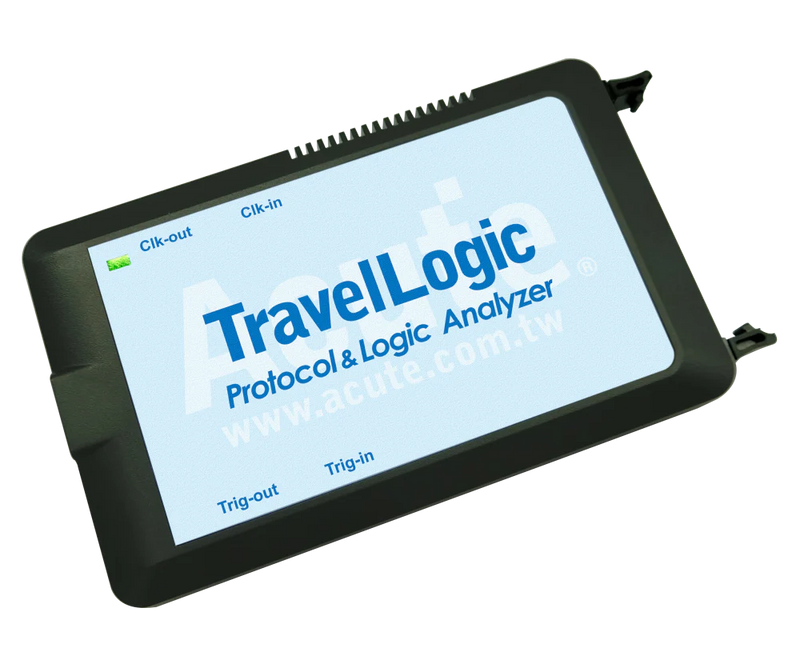
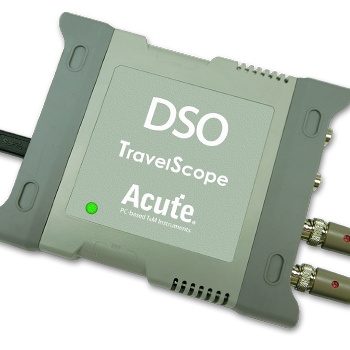
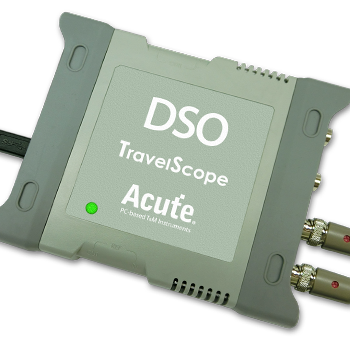
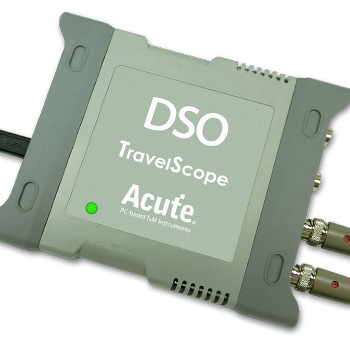
Instrumentos Acute compatibles con BiSS-C
Soluciones recomendadas
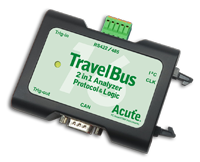
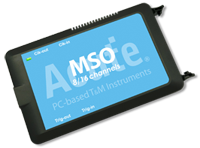
Todos los productos compatibles
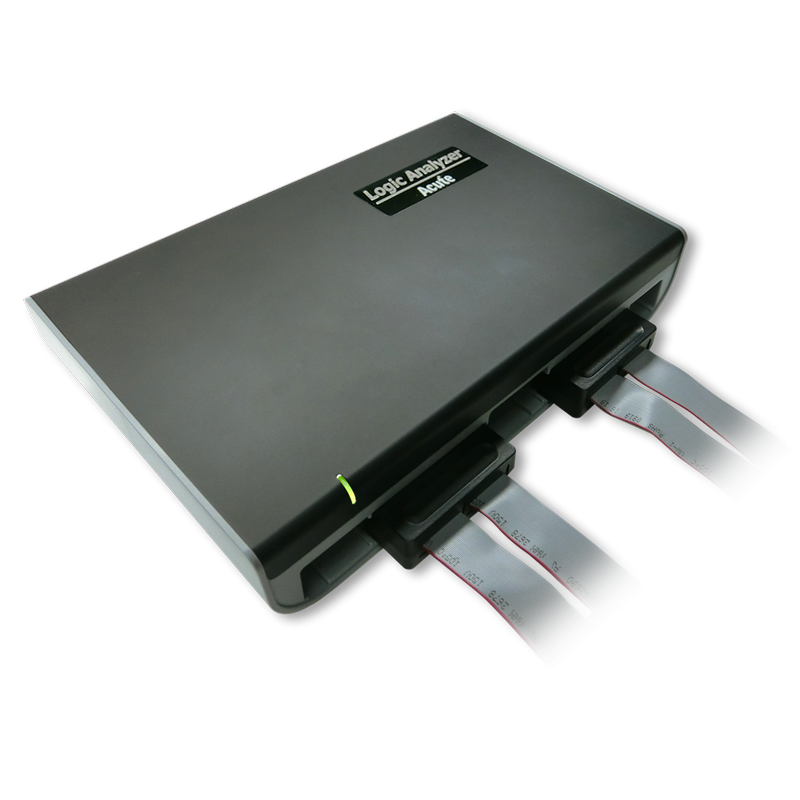
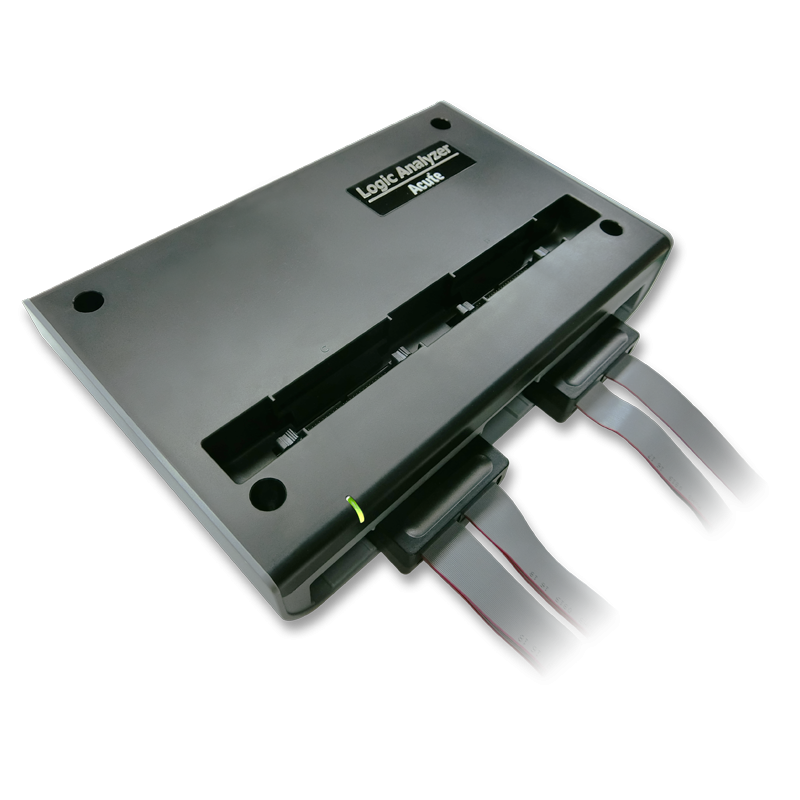
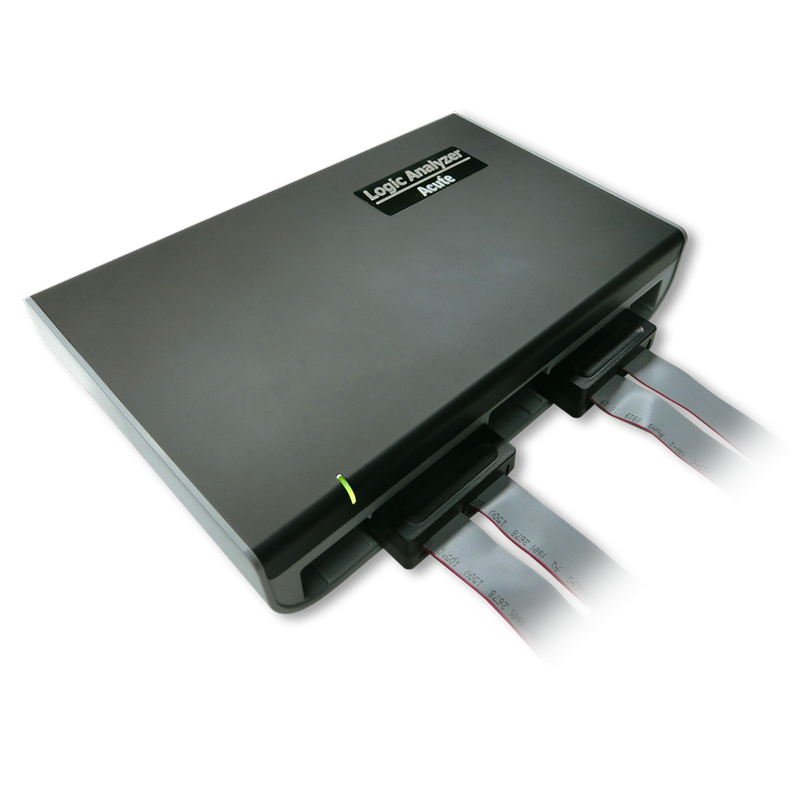
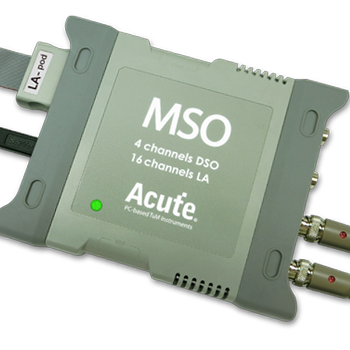
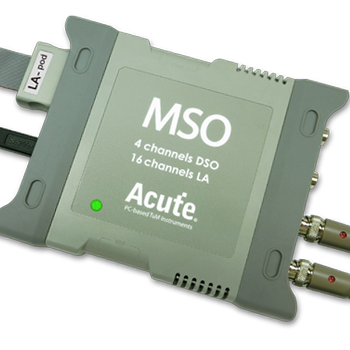
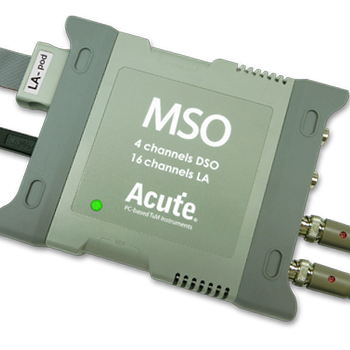
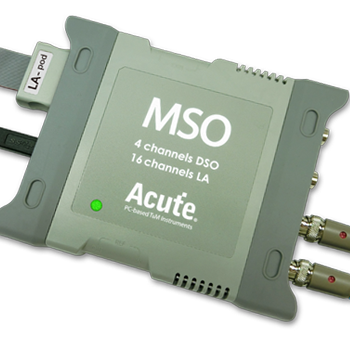
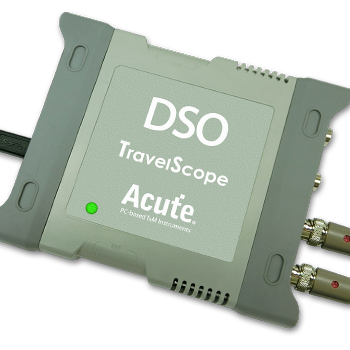
Serie TravelBus


¿Listo para analizar este protocolo?
Vea cómo los instrumentos Acute capturan y decodifican este protocolo en tiempo real. Solicite una demo o contacte a nuestro equipo.
¿Cómo analizar BiSS-C con instrumentos Acute
Conecte su analizador lógico Acute a las señales BiSS-C MA y SLO en el encoder o controlador.
Conecte un cable de tierra a la referencia de tierra de la placa objetivo.
En el software Acute, seleccione el BiSS-C protocol decoder y asigne MA y SLO a los canales de entrada correspondientes.
Configure los parametros esperados de resolution (number of data bits) and CRC polynomial for your sensor.
Capture y visualice los BiSS-C frames showing position data, error/warning bits, and CRC validation status.