BiSS-C Protocol Support
Robotics & IndustrialBiSS-C Serial Sensor Interface
What is BiSS-C?
BiSS-C (Bidirectional Synchronous Serial interface, continuous mode) is an open-standard serial protocol for connecting position encoders, angle sensors, and other precision measurement devices to controllers in industrial motion control systems. BiSS-C uses two signals: MA (Master clock/Acknowledge) driven by the controller and SLO (Slave output) driven by the sensor. The master generates a clock on MA, and the sensor responds with position data, status bits, and CRC on SLO. BiSS-C supports high-resolution absolute position data at clock rates up to 10 MHz and includes error detection through CRC verification. Engineers debugging servo drives, CNC machines, and robotic systems use BiSS-C analysis to verify encoder communication, validate position data accuracy, and diagnose CRC errors.
BiSS-C Quick Reference
| type | Serial, synchronous |
| signals | MA, SLO |
| max Speed | 10 MHz |
| voltage Range | 5V |
| features | Encoder/sensor interface |
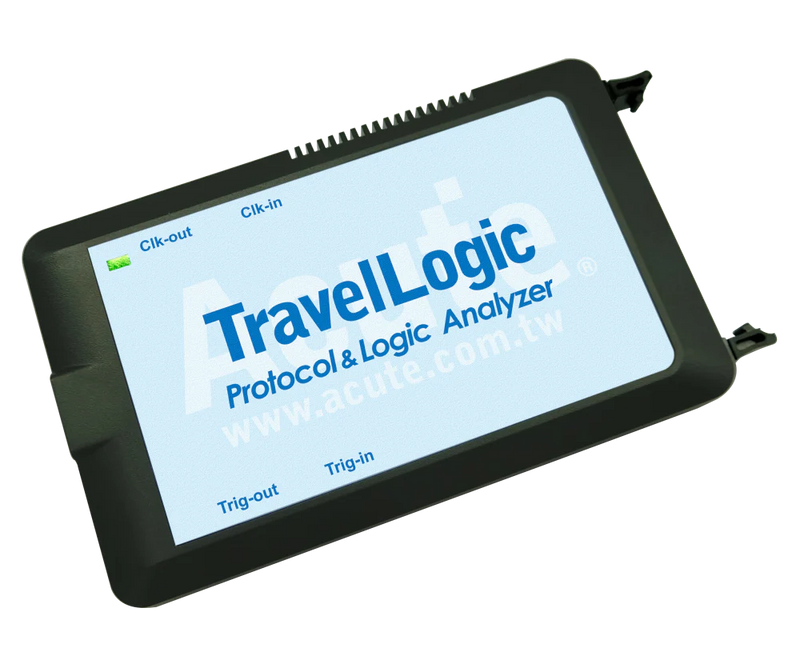
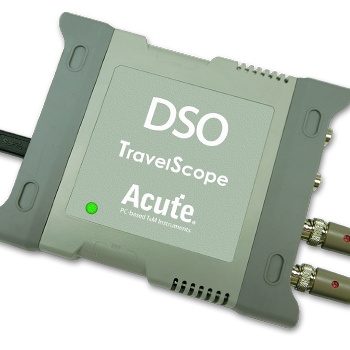
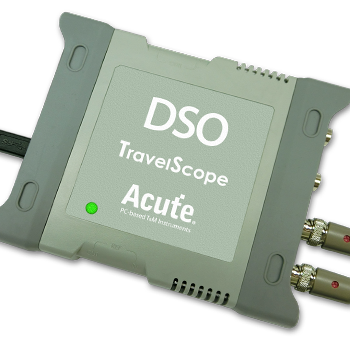
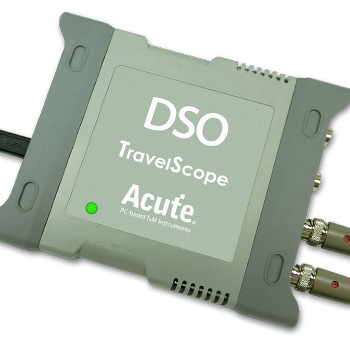
Acute Instruments Supporting BiSS-C
Recommended Solutions
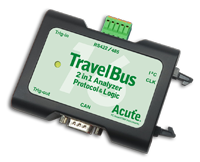
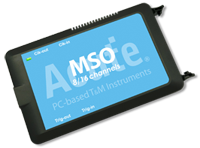
All Supporting Products
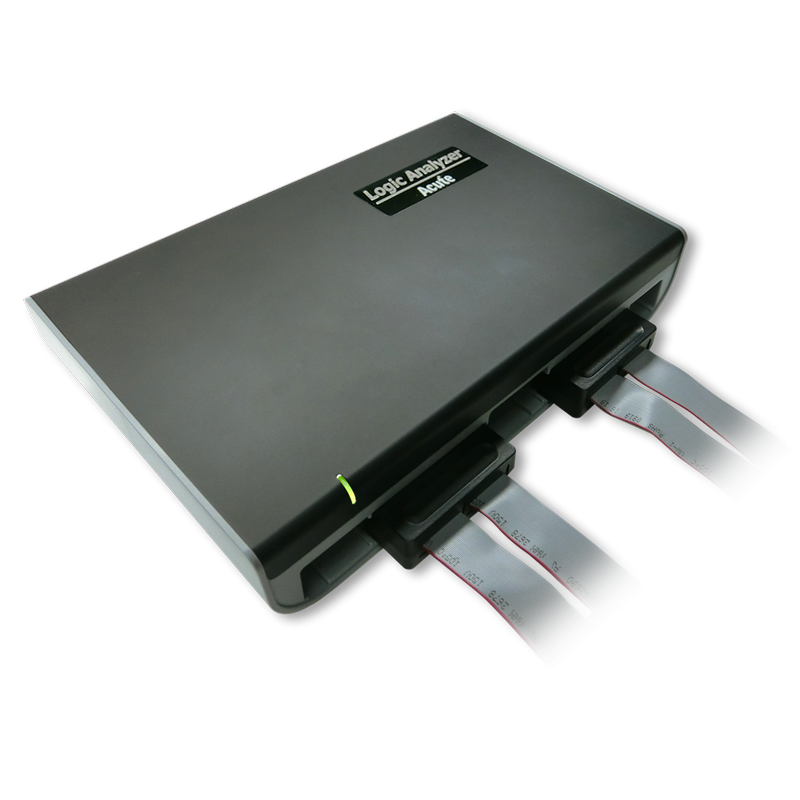
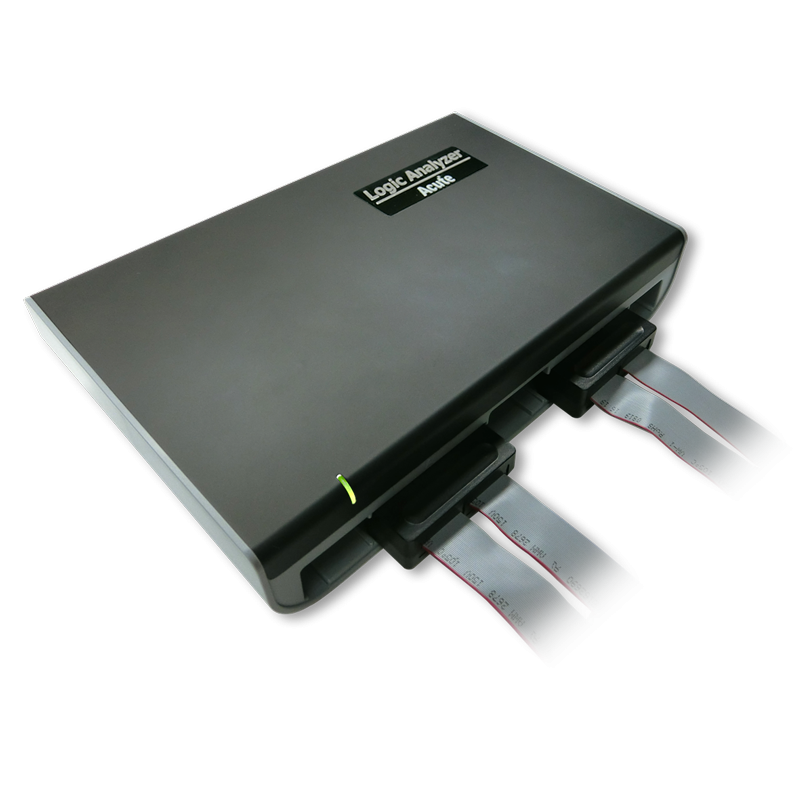
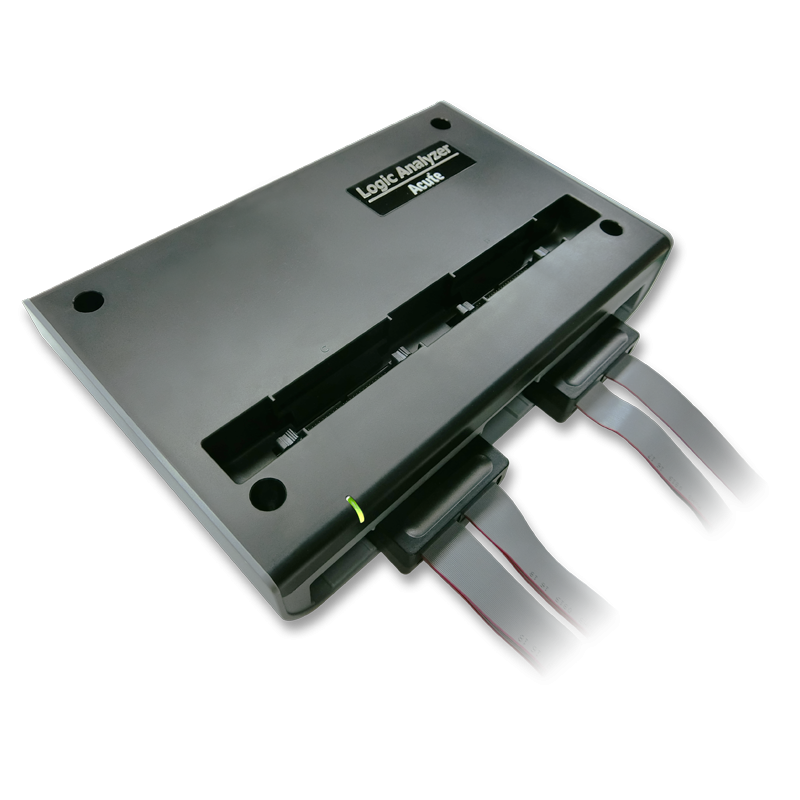
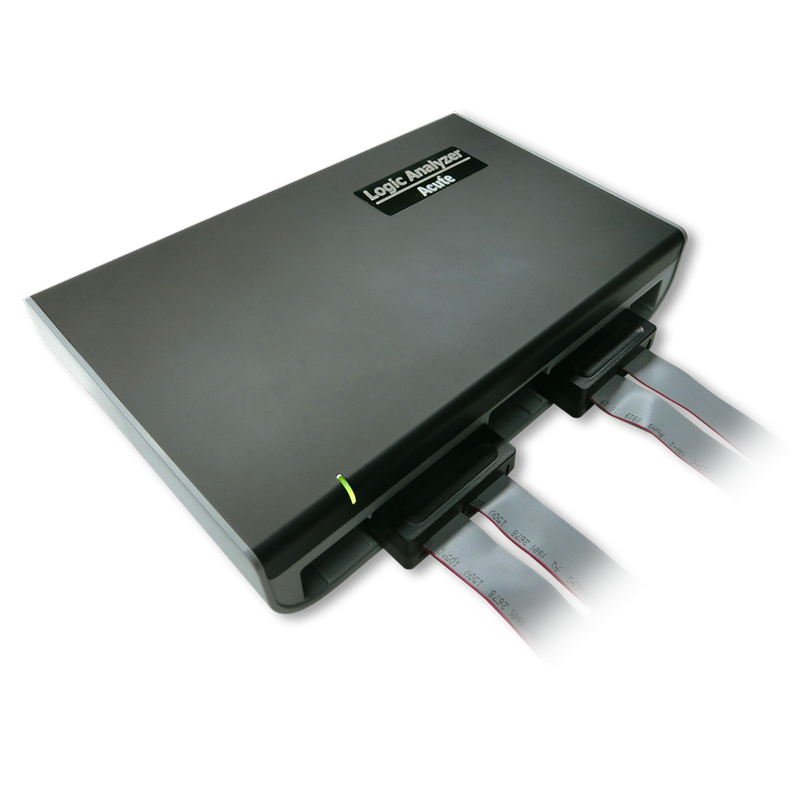
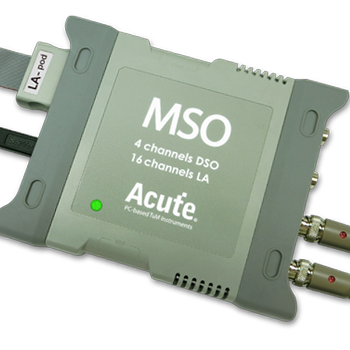
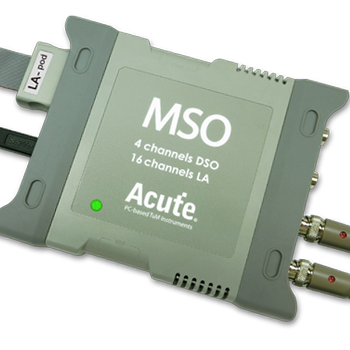
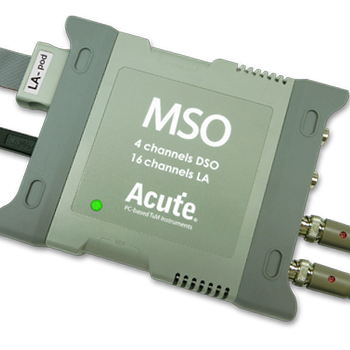
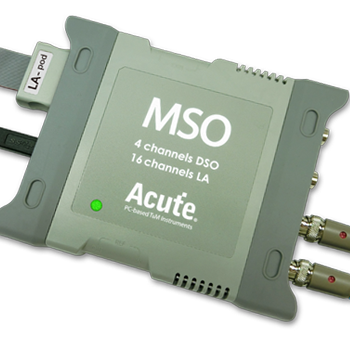
TravelBus Series


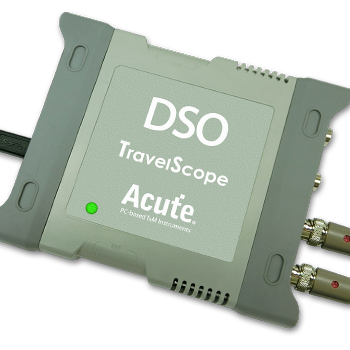
Ready to analyze this protocol?
See how Acute instruments capture and decode this protocol in real time. Request a demo or contact our team.
How to Analyze BiSS-C with Acute Instruments
Connect your Acute logic analyzer to the BiSS-C MA and SLO signals at the encoder or controller.
Attach a ground lead to the target board's ground reference.
In the Acute software, select the BiSS-C protocol decoder and assign MA and SLO to the correct input channels.
Configure the expected resolution (number of data bits) and CRC polynomial for your sensor.
Capture and view decoded BiSS-C frames showing position data, error/warning bits, and CRC validation status.