USB 1.1 Protocolos compatibles
Sistemas embebidosUniversal Serial Bus 1.1
¿Qué es USB 1.1?
USB 1.1 (Universal Serial Bus 1.1) is the original widely-deployed USB specification, supporting Low Speed (1.5 Mbps) and Full Speed (12 Mbps) data transfer over a differential D+/D- signal pair. USB 1.1 devices are still manufactured and widely used — keyboards, mice, microcontrollers with built-in USB, HID devices, CDC serial adapters, and many industrial/medical devices use USB 1.1 Full Speed. The protocol includes device enumeration, descriptor exchange, control/bulk/interrupt/isochronous transfer types, and hub-managed bus topology. Engineers debugging USB 1.1 devices need to analyze enumeration sequences, decode SETUP/IN/OUT token packets, verify descriptor responses, and diagnose communication errors at the packet level.
USB 1.1 Referencia rápida
| type | Serial, differential |
| signals | D+, D- |
| max Speed | 12 Mbps (Full Speed) |
| voltage Range | 3.3V |
| standard | USB 1.1 |
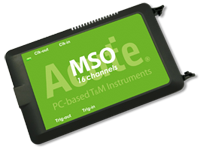
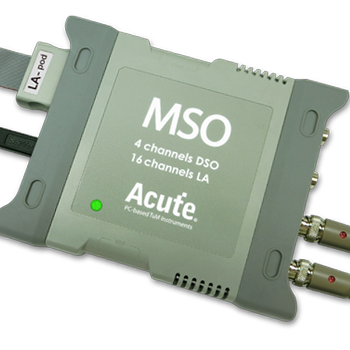
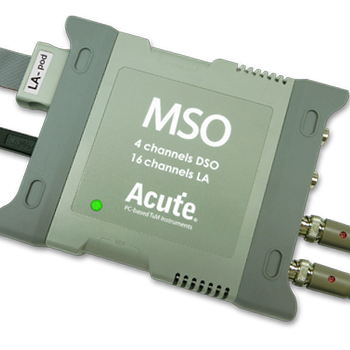
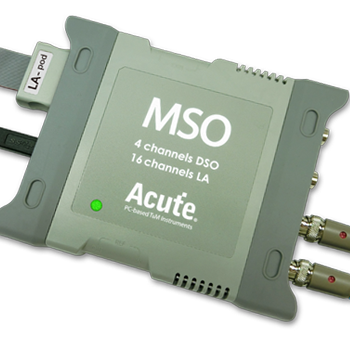
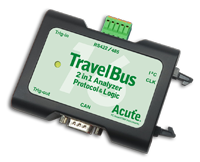
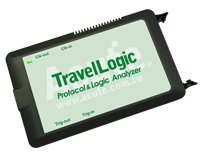
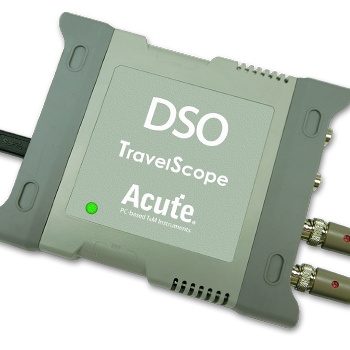
Instrumentos Acute compatibles con USB 1.1
Soluciones recomendadas
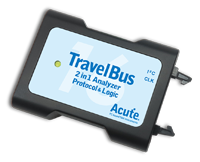
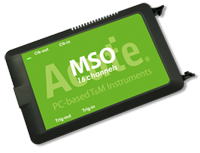
Todos los productos compatibles
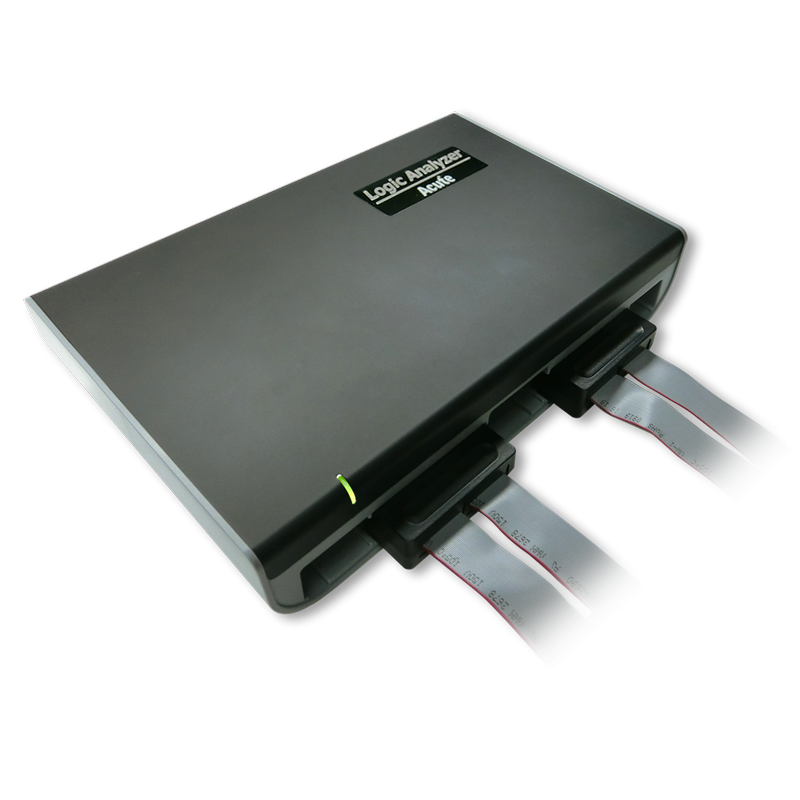
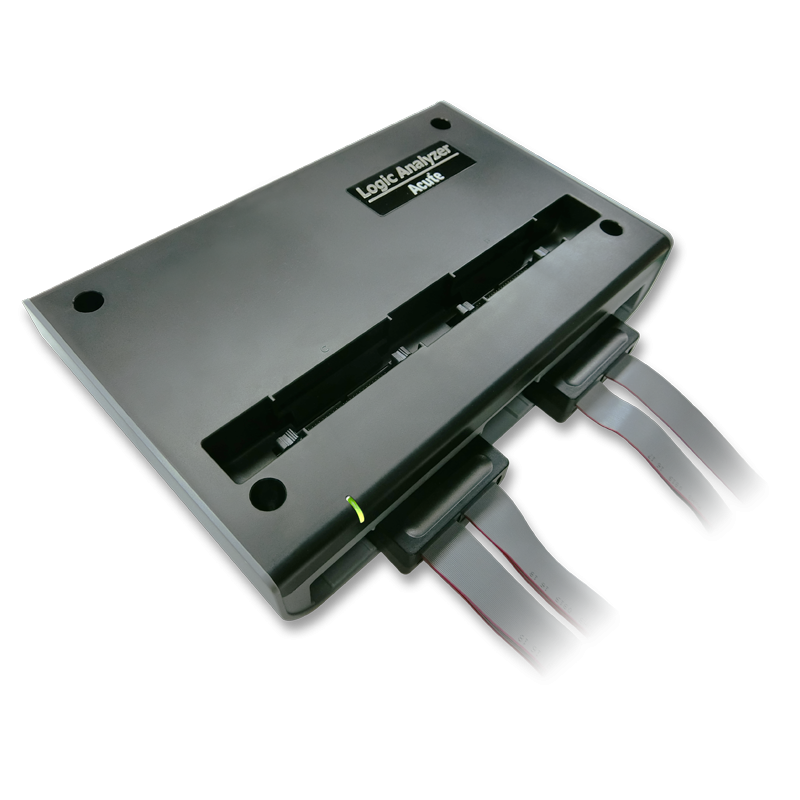
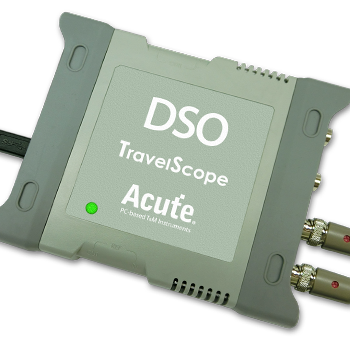
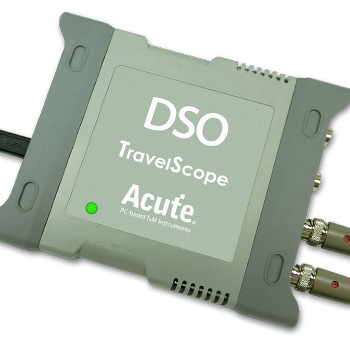
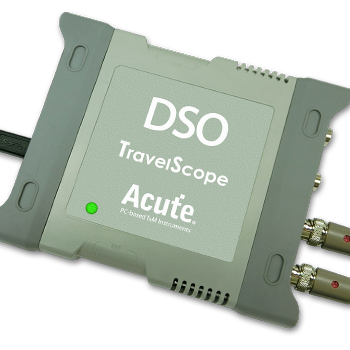
¿Listo para analizar este protocolo?
Vea cómo los instrumentos Acute capturan y decodifican este protocolo en tiempo real. Solicite una demo o contacte a nuestro equipo.
¿Cómo analizar USB 1.1 con instrumentos Acute
Conecte su analizador lógico Acute a las señales USB D+ y D-, ya sea directamente en el conector o en una placa de derivacion.
Conecte un cable de tierra a la referencia de tierra de la placa objetivo.
En el software Acute, seleccione el USB 1.1 protocol decoder y asigne D+ y D- a los canales de entrada correspondientes.
Configure los parametros esperados de speed mode (Low Speed or Full Speed).
Capture y visualice los USB transactions showing SETUP, IN, OUT, and SOF tokens, data packets, handshake (ACK/NAK/STALL), and device descriptor contents during enumeration.