USB 1.1 Protocol Support
Embedded SystemsUniversal Serial Bus 1.1
What is USB 1.1?
USB 1.1 (Universal Serial Bus 1.1) is the original widely-deployed USB specification, supporting Low Speed (1.5 Mbps) and Full Speed (12 Mbps) data transfer over a differential D+/D- signal pair. USB 1.1 devices are still manufactured and widely used — keyboards, mice, microcontrollers with built-in USB, HID devices, CDC serial adapters, and many industrial/medical devices use USB 1.1 Full Speed. The protocol includes device enumeration, descriptor exchange, control/bulk/interrupt/isochronous transfer types, and hub-managed bus topology. Engineers debugging USB 1.1 devices need to analyze enumeration sequences, decode SETUP/IN/OUT token packets, verify descriptor responses, and diagnose communication errors at the packet level.
USB 1.1 Quick Reference
| type | Serial, differential |
| signals | D+, D- |
| max Speed | 12 Mbps (Full Speed) |
| voltage Range | 3.3V |
| standard | USB 1.1 |
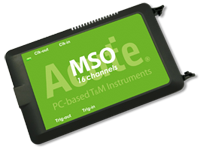
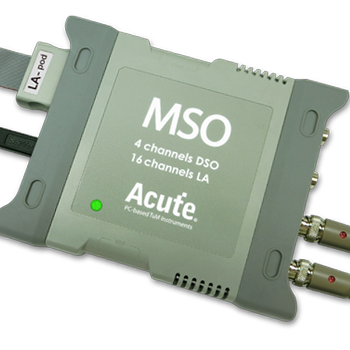
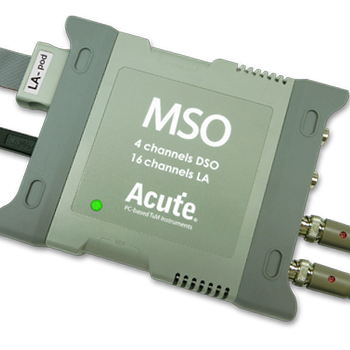
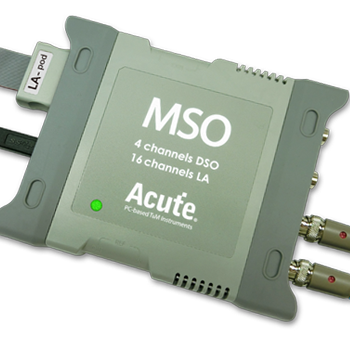
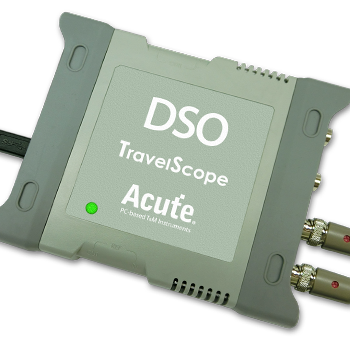
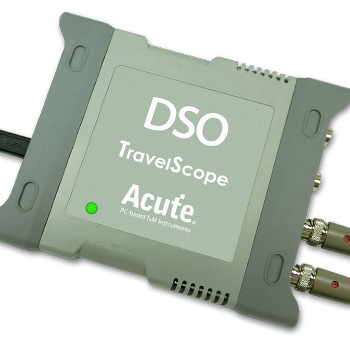
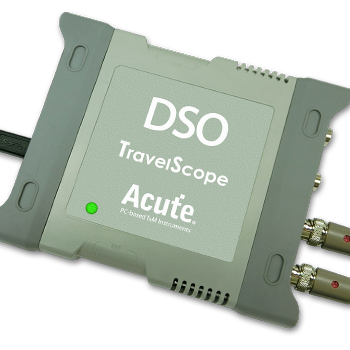
Acute Instruments Supporting USB 1.1
Recommended Solutions
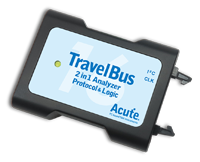
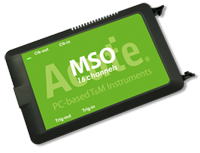
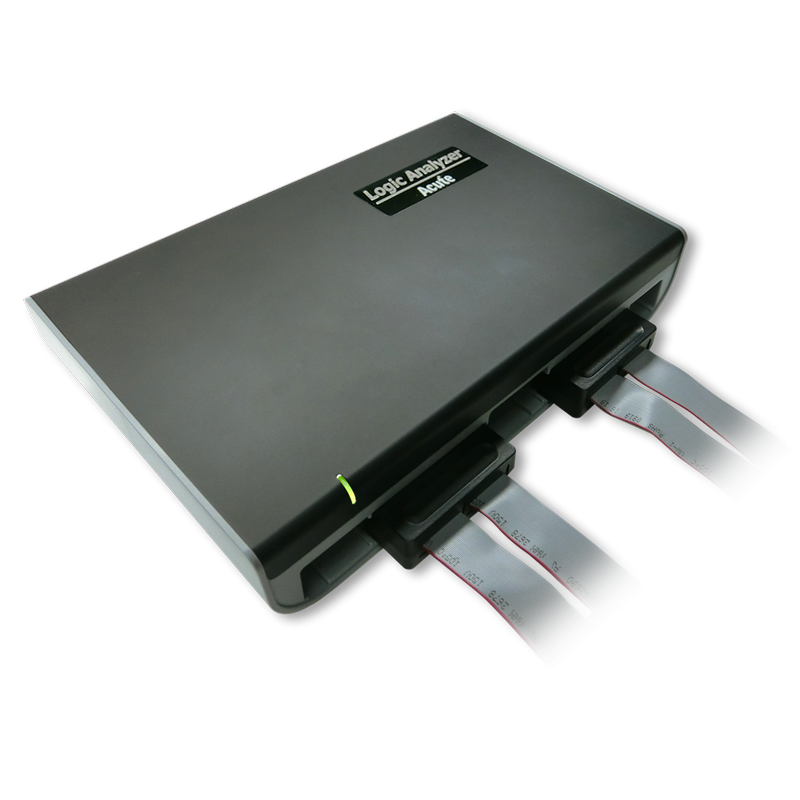
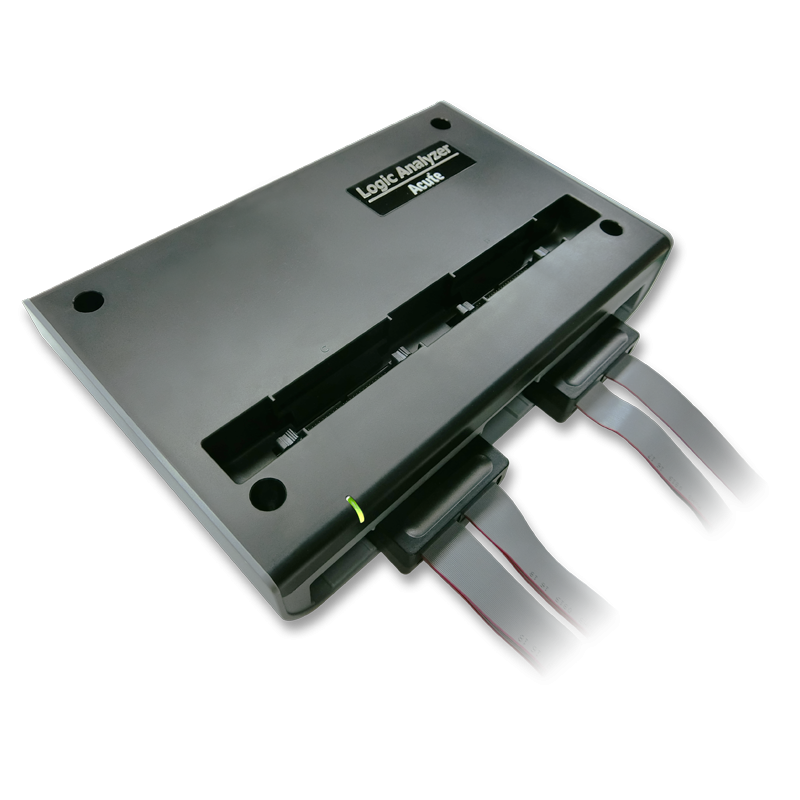
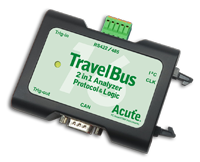
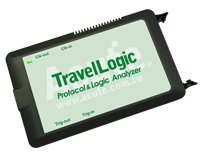
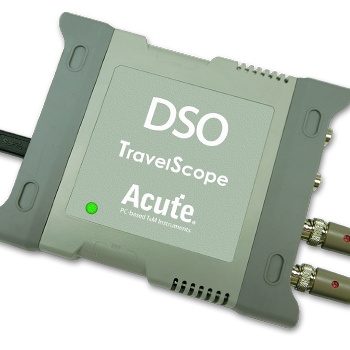
All Supporting Products
Ready to analyze this protocol?
See how Acute instruments capture and decode this protocol in real time. Request a demo or contact our team.
How to Analyze USB 1.1 with Acute Instruments
Connect your Acute logic analyzer to the USB D+ and D- signals, either directly at the connector or at a breakout board.
Attach a ground lead to the target board's ground reference.
In the Acute software, select the USB 1.1 protocol decoder and assign D+ and D- to the correct input channels.
Configure the expected speed mode (Low Speed or Full Speed).
Capture and view decoded USB transactions showing SETUP, IN, OUT, and SOF tokens, data packets, handshake (ACK/NAK/STALL), and device descriptor contents during enumeration.