PDM Protocolos compatibles
AudioPulse Density Modulation
¿Qué es PDM?
PDM (Pulse Density Modulation) is a single-bit digital audio encoding used primarily as the output format for MEMS digital microphones. A PDM stream consists of a clock signal (CLK) driven by the host and a data signal (DATA) driven by the microphone, where the density of logic-high pulses represents the instantaneous amplitude of the audio signal. PDM microphones are found in smartphones, laptops, smart speakers, hearing aids, and IoT devices due to their small size and simple two-wire interface. Engineers debugging PDM interfaces need to verify clock frequency accuracy, confirm left/right channel selection via clock edge assignment, and validate that the pulse density pattern corresponds to the expected audio input.
PDM Referencia rápida
| type | Serial, synchronous |
| signals | CLK, DATA |
| max Speed | Up to 4.8 MHz |
| voltage Range | 1.8V – 3.3V |
| features | Digital microphone interface |
Instrumentos Acute compatibles con PDM
Soluciones recomendadas
Recomendado para decodificación
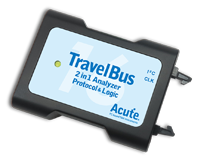
TB3016F
only decode
Con canales analógicos
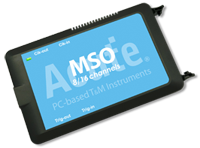
MSO2116E
only decode
Con validación eléctrica
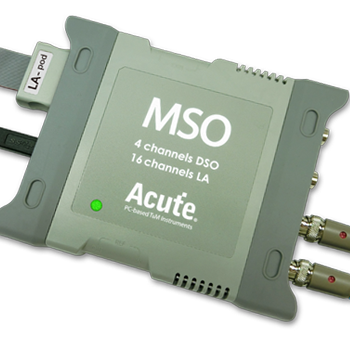
MSO3124V
Todos los productos compatibles
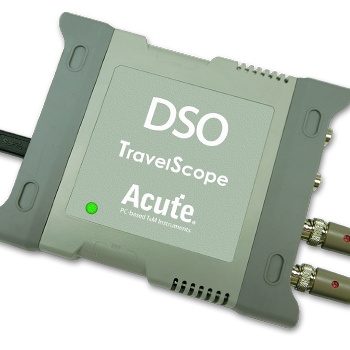
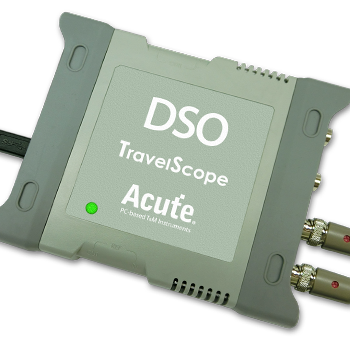
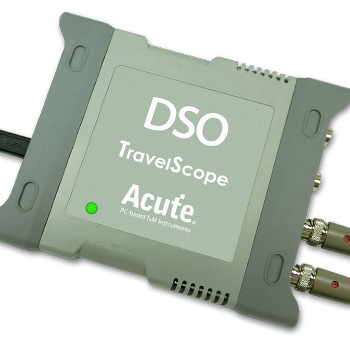
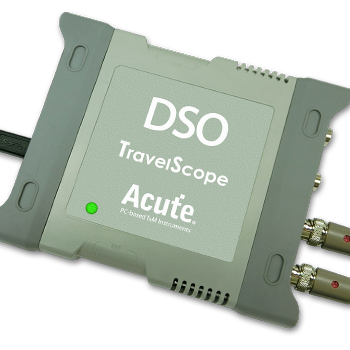
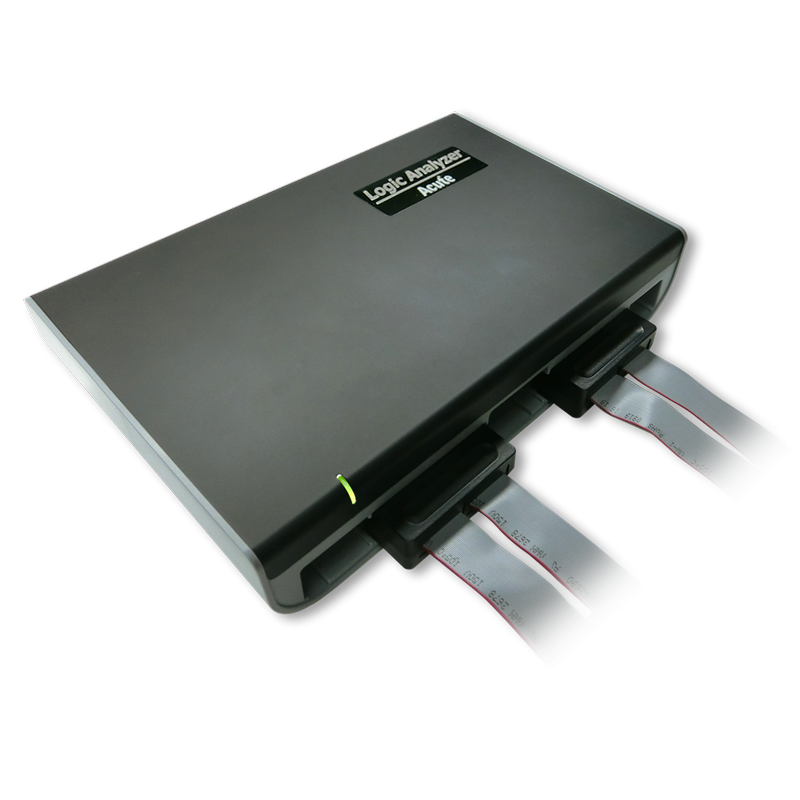
Familias de productos compatibles
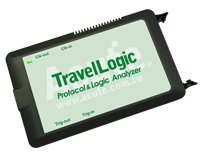
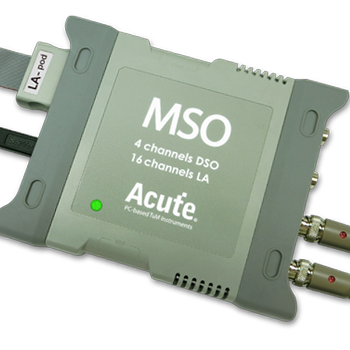
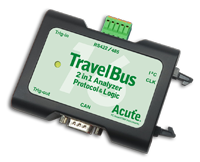
¿Listo para analizar este protocolo?
Vea cómo los instrumentos Acute capturan y decodifican este protocolo en tiempo real. Solicite una demo o contacte a nuestro equipo.
¿Cómo analizar PDM con instrumentos Acute
Conecte su analizador lógico Acute a las lineas PDM CLK y DATA en el microfono o codec.
Conecte un cable de tierra a la referencia de tierra de la placa objetivo.
En el software Acute, seleccione el PDM protocol decoder y asigne CLK y DATA a los canales de entrada correspondientes.
Configure los parametros esperados de clock frequency and channel mapping (left on rising edge, right on falling edge, or vice versa).
Capture el trafico y visualice el PDM bitstream, verifying clock timing and data alignment for each audio channel.