PWM Protocol Support
Robotics & IndustrialPulse Width Modulation
What is PWM?
PWM (Pulse Width Modulation) is a digital signaling technique where information is encoded in the duty cycle (ratio of high time to total period) of a rectangular waveform. PWM is universally used in embedded systems for motor speed control, LED brightness dimming, servo positioning, power converter regulation, and DAC emulation. While PWM is not a communication protocol in the traditional sense, analyzing PWM signals is essential for verifying correct duty cycle, frequency, dead time in H-bridge configurations, and timing accuracy. Engineers debugging motor controllers, LED drivers, switching power supplies, and servo systems routinely need to measure PWM parameters and verify that the actual output matches the intended control signal.
PWM Quick Reference
| type | Digital pulse |
| signals | Single-wire |
| features | Motor control, LED dimming, servo |
Acute Instruments Supporting PWM
Recommended Solutions
Recommended for Decode

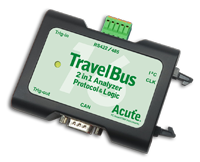
TB3016F
only decode
With Analog Channels
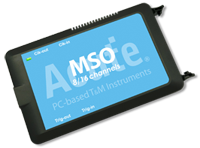
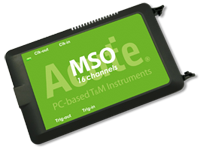
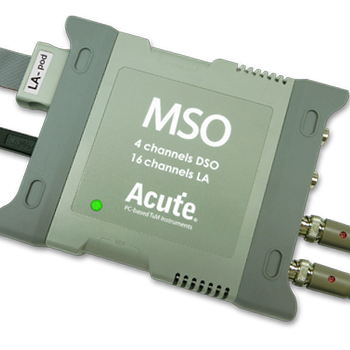
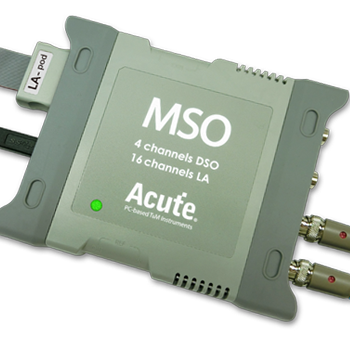
MSO2116E
only decode
All Supporting Products
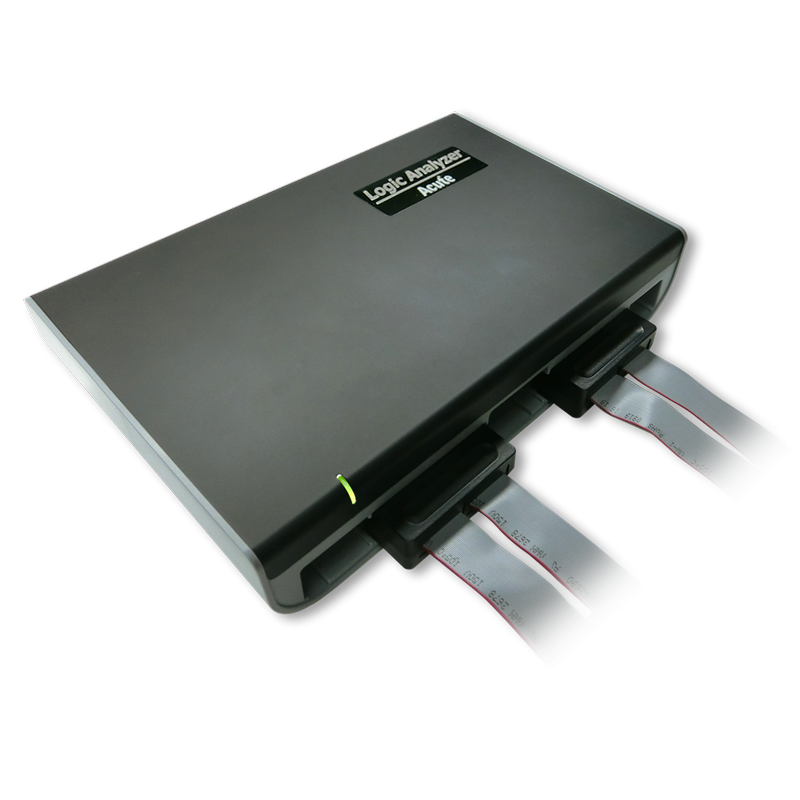
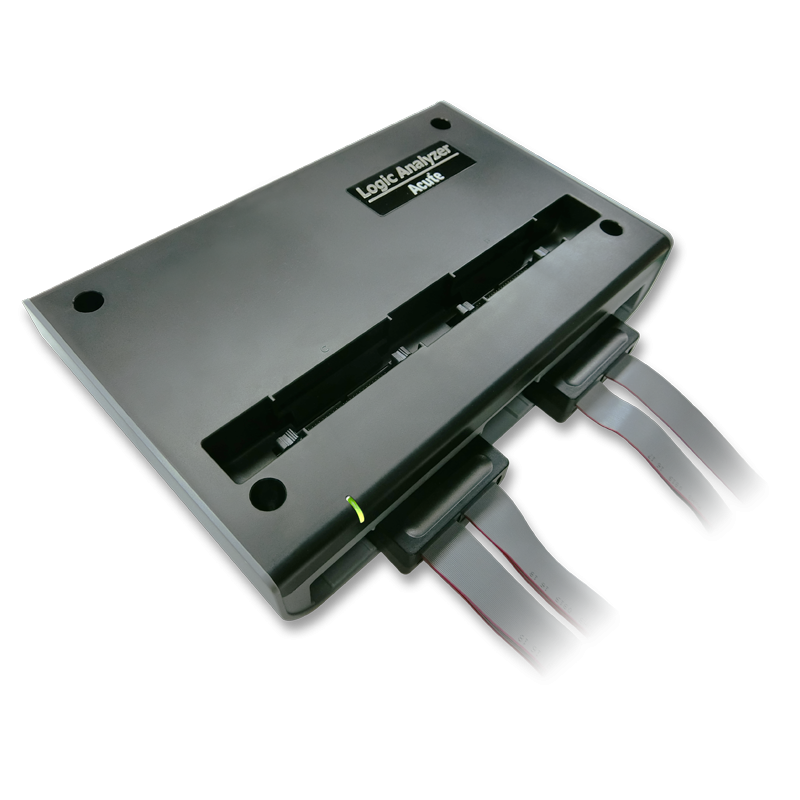
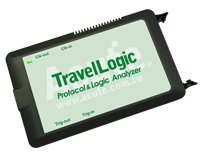
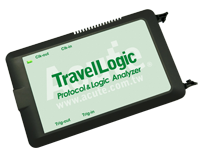
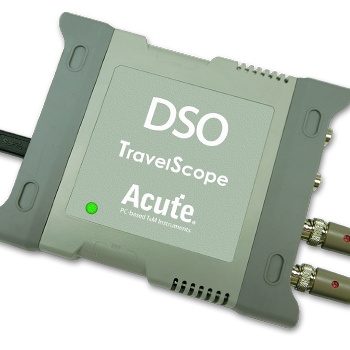
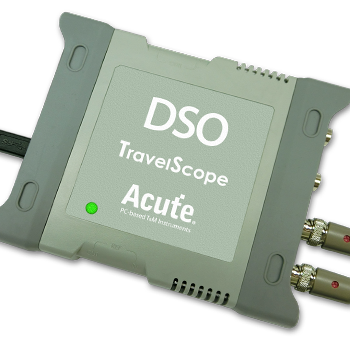
Ready to analyze this protocol?
See how Acute instruments capture and decode this protocol in real time. Request a demo or contact our team.
How to Analyze PWM with Acute Instruments
Connect your Acute logic analyzer to the PWM output signal on the target board.
Attach a ground lead to the target board's ground reference.
In the Acute software, select the PWM analysis mode and assign the signal to the correct input channel.
Configure the expected frequency range and measurement parameters (duty cycle, frequency, period).
Capture and view PWM timing measurements including duty cycle percentage, frequency, high time, low time, and any deviations from the expected values.