I2S Protocol Support
AudioInter-IC Sound
What is I2S?
I2S (Inter-IC Sound) is a synchronous serial bus protocol designed specifically for transmitting digital audio data between integrated circuits. Developed by Philips (now NXP), I2S is the standard interface between audio codecs, DACs, ADCs, DSPs, microcontrollers, and other audio processing components. The protocol uses three signal lines: SCK (Serial Clock, also called BCLK), WS (Word Select, also called LRCLK), and SD (Serial Data). The WS signal indicates whether the left or right audio channel is being transmitted, toggling at the audio sample rate (e.g., 44.1 kHz, 48 kHz, 96 kHz, or 192 kHz). The SCK clock runs at a multiple of the sample rate determined by the bit depth (typically 16, 24, or 32 bits per channel). I2S supports various data formats including standard I2S (data delayed by one BCLK cycle from WS transition), left-justified, and right-justified alignments. The protocol is found in consumer audio products, professional audio equipment, automotive infotainment systems, smart speakers, hearing aids, and any device processing digital audio. Protocol analysis for I2S is important because audio artifacts, channel swaps, clocking errors, and format mismatches between devices are common integration issues. Engineers need to verify that audio data is being transmitted with the correct bit depth, sample rate, and channel alignment to ensure high-quality audio output.
I2S Quick Reference
| type | Serial, synchronous |
| signals | SCK, WS, SD |
| max Speed | Up to 12.288 MHz |
| voltage Range | 1.8V – 3.3V |
| bit Depth | 16/24/32-bit audio |
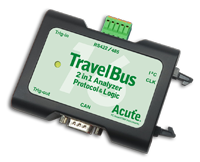
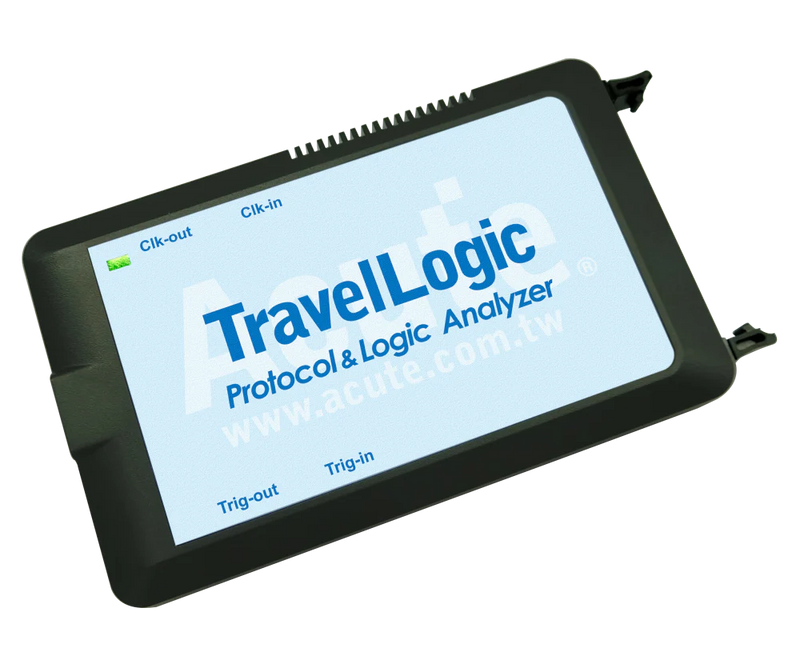
Acute Instruments Supporting I2S
Recommended Solutions
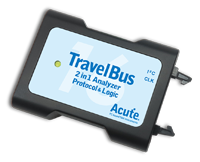
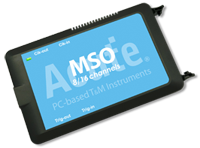
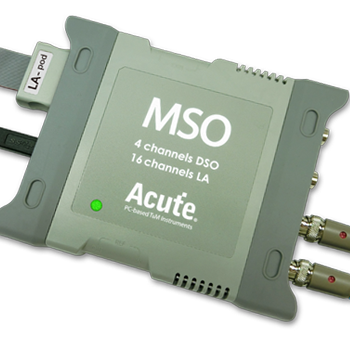
All Supporting Products
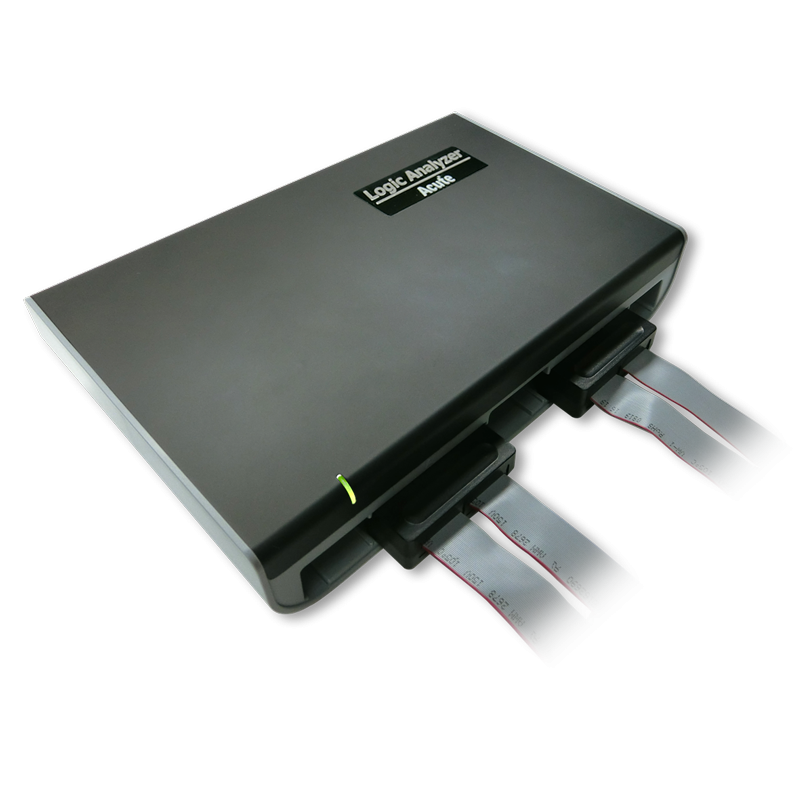
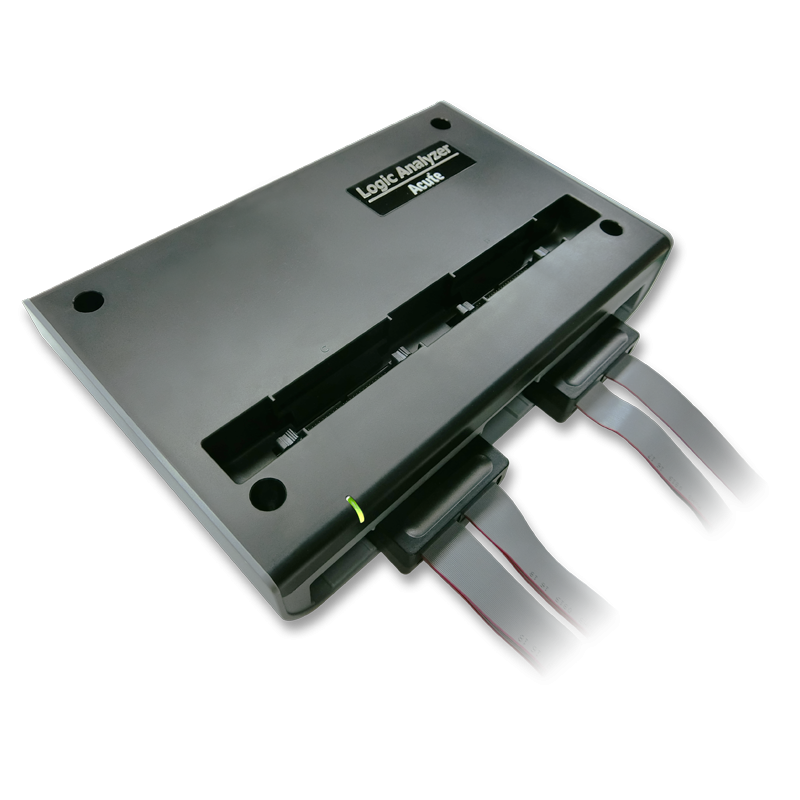
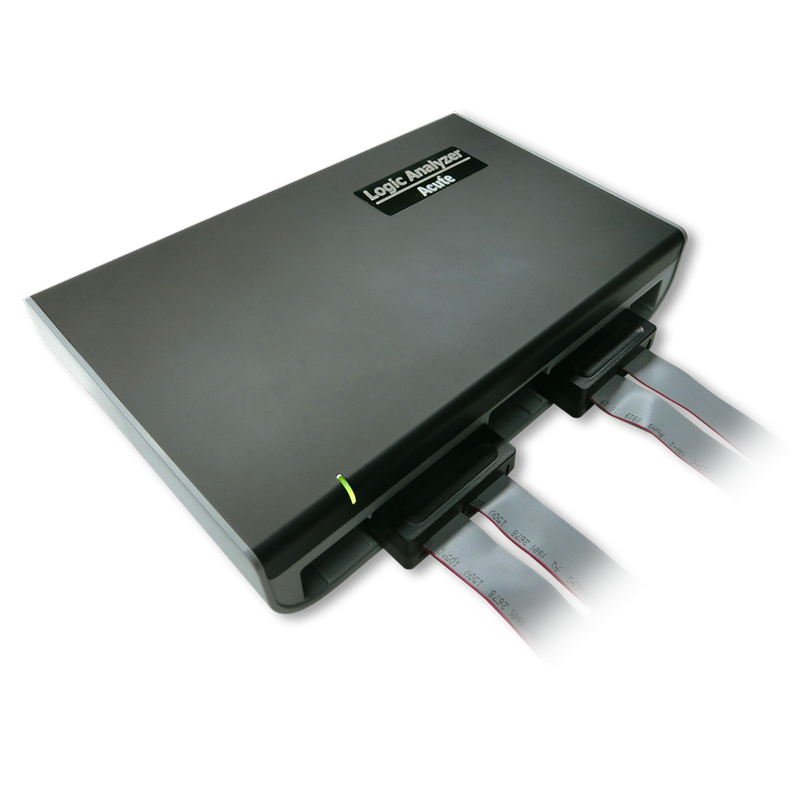
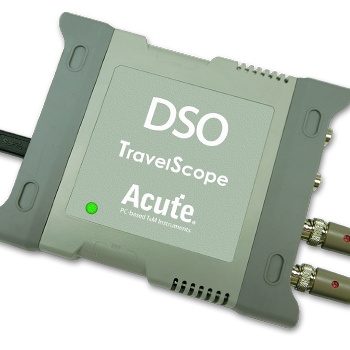
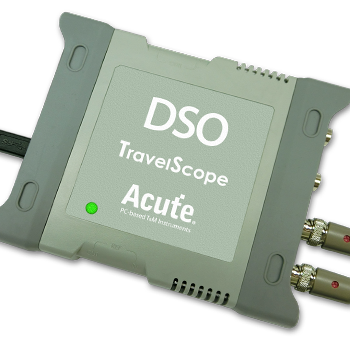
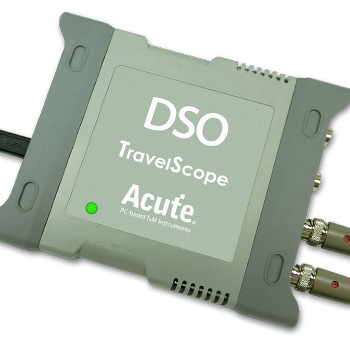
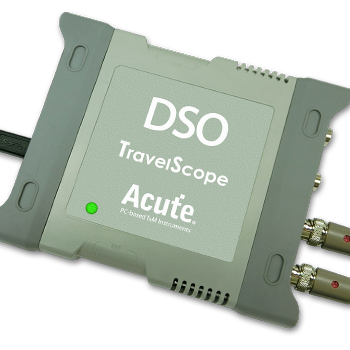
Ready to analyze this protocol?
See how Acute instruments capture and decode this protocol in real time. Request a demo or contact our team.
How to Analyze I2S with Acute Instruments
Connect your Acute logic analyzer to the I2S SCK (BCLK), WS (LRCLK), and SD (data) lines.
Attach a ground lead to the target board's ground reference.
In the Acute software, select the I2S protocol decoder and assign each signal to the correct channel.
Configure the audio format (standard I2S, left-justified, or right-justified), bit depth (16, 24, or 32 bits), and channel configuration.
Capture and view decoded audio samples for left and right channels, with sample values displayed in hex or decimal format alongside the timing waveforms.