MIPI I3C Protocol Support
Embedded SystemsMIPI Improved Inter-Integrated Circuit
What is MIPI I3C?
MIPI I3C (Improved Inter-Integrated Circuit) is a high-performance sensor interface specification developed by the MIPI Alliance as a successor to I2C and SPI for sensor and actuator communication. I3C maintains backward compatibility with I2C devices on the same bus while offering significantly higher data rates — up to 12.5 MHz in SDR (Single Data Rate) mode and up to 100 MHz in HDR (High Data Rate) modes including HDR-DDR, HDR-TSP, and HDR-TSL. Like I2C, I3C uses just two wires (SDA and SCL) but adds powerful features including dynamic address assignment, in-band interrupts (eliminating dedicated IRQ lines), hot-join capability, and a standardized command code interface. I3C is gaining rapid adoption in smartphones, wearables, IoT devices, laptops, and automotive sensor systems where designers need higher bandwidth, lower pin count, and lower power consumption compared to legacy I2C and SPI interfaces. Protocol analysis for I3C is essential due to the protocol's complexity — engineers must verify dynamic address assignment sequences, validate HDR mode transitions, debug in-band interrupt handling, and ensure backward compatibility with legacy I2C devices sharing the bus. The multi-mode operation and advanced features make I3C significantly more complex to debug than I2C, making a dedicated protocol analyzer invaluable.
MIPI I3C Quick Reference
| type | Serial, synchronous |
| signals | SDA, SCL |
| max Speed | 12.5 MHz SDR / 25 MHz HDR |
| voltage Range | 1.2V – 1.8V |
| addressing | Dynamic addressing |
Acute Instruments Supporting MIPI I3C
Recommended Solutions
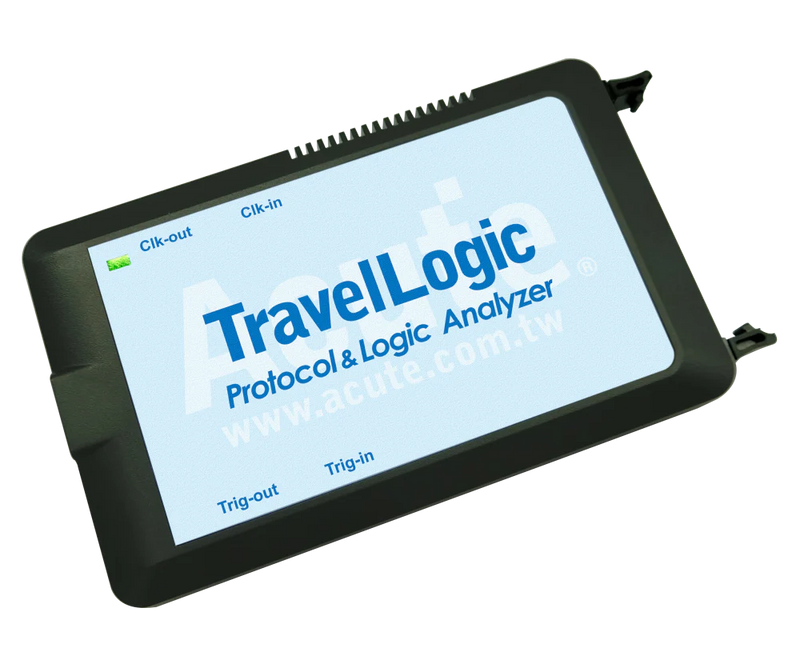
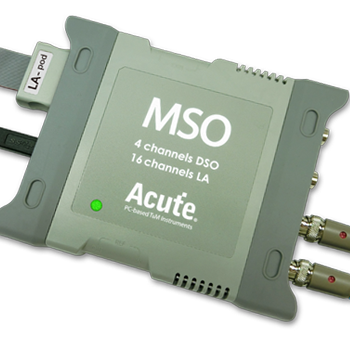
All Supporting Products
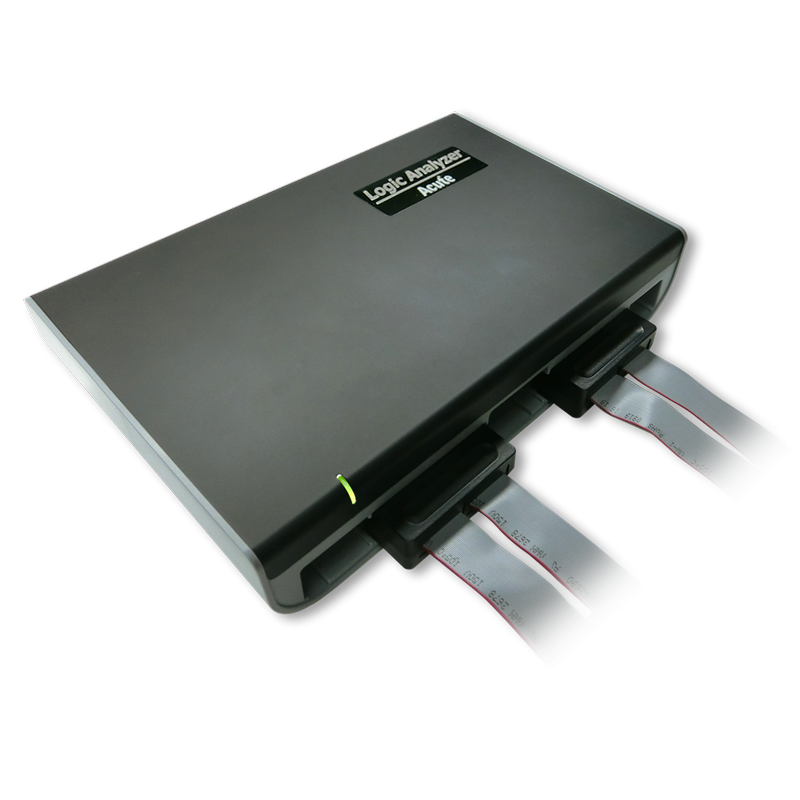
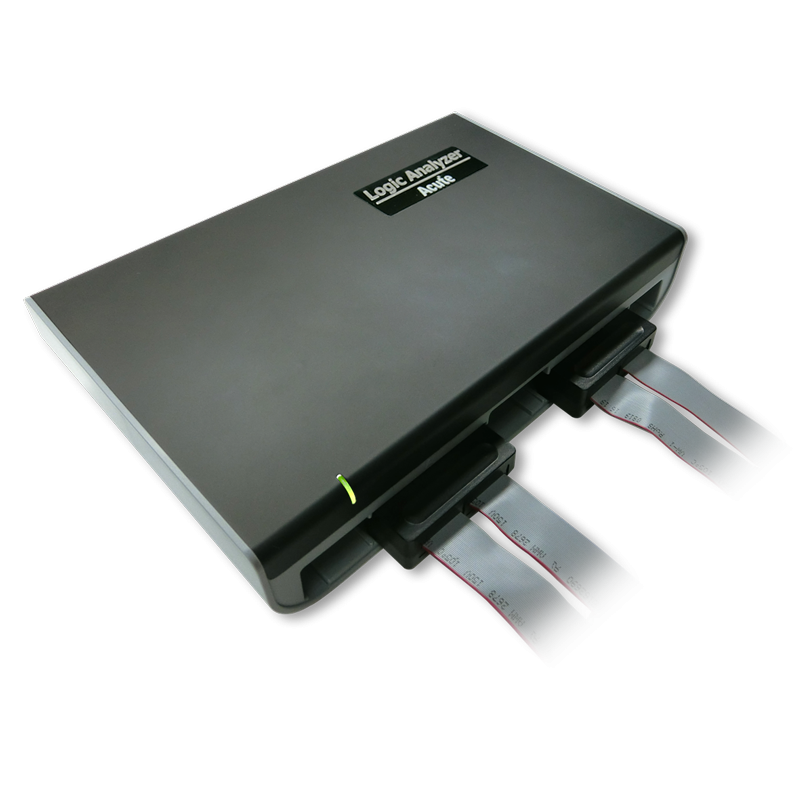
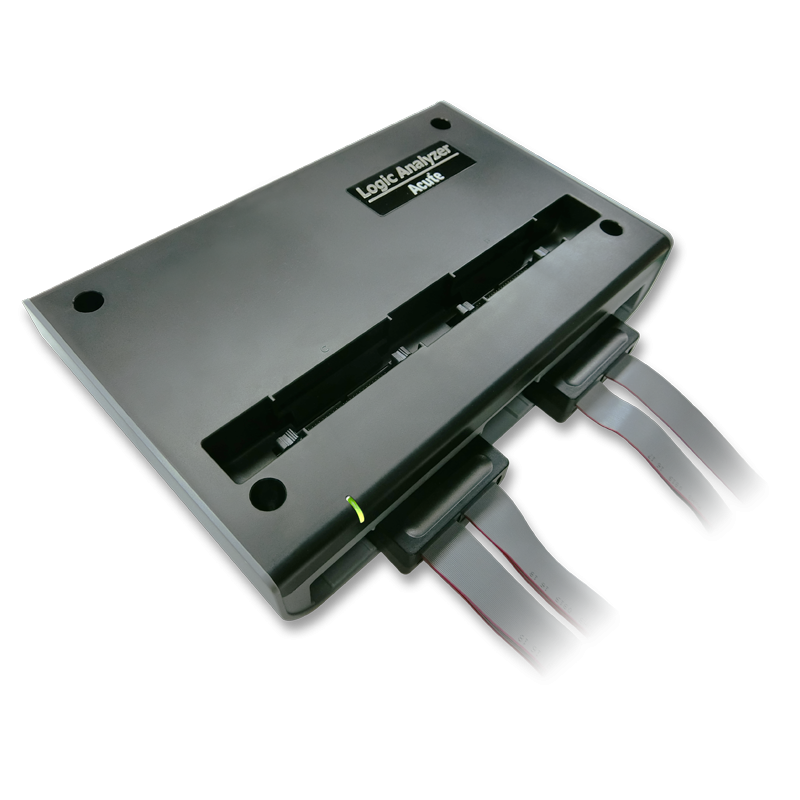
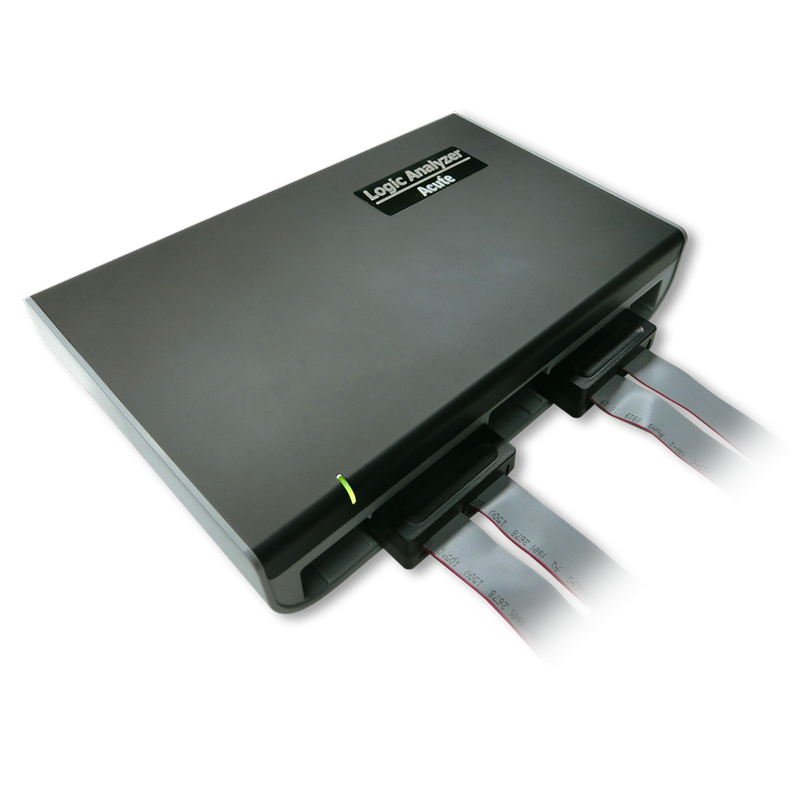
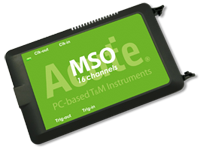
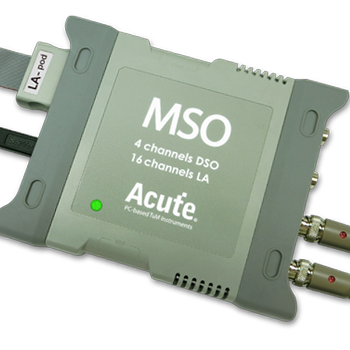
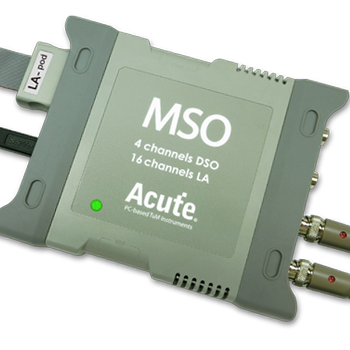
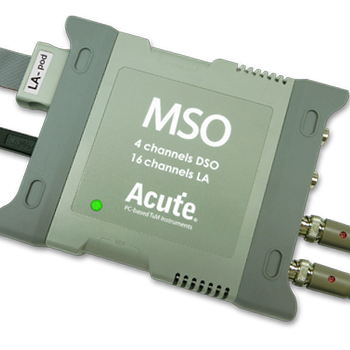
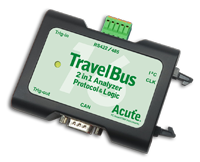
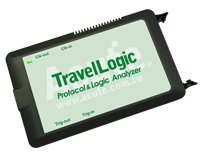
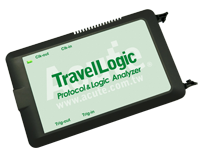
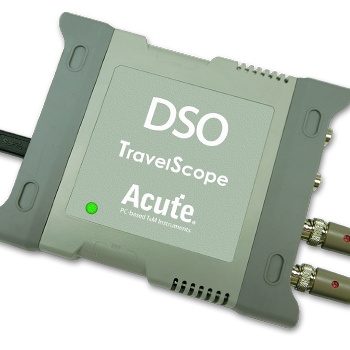
PX2000 Series

Ready to analyze this protocol?
See how Acute instruments capture and decode this protocol in real time. Request a demo or contact our team.
How to Analyze MIPI I3C with Acute Instruments
Connect your Acute logic analyzer to the SDA and SCL lines of the I3C bus.
Attach a ground lead to the target board's ground reference.
In the Acute software, select the MIPI I3C protocol decoder and assign SDA and SCL to the corresponding channels.
Configure the decoder for the expected operating modes (SDR, HDR-DDR, etc.) and I3C specification version.
Capture and view decoded transactions including Common Command Codes (CCCs), dynamic address assignments, in-band interrupts, and HDR data transfers with full timing analysis.
Related Articles
How to Choose the Right Logic Analyzer for Your Project
A practical decision guide for selecting the right Acute logic analyzer or MSO by channel count, sample rate, protocol decode, and portability requirements.
PX2816B Protocol Exerciser: Stimulus and Response Testing for Embedded Interfaces
How the PX2816B Protocol Exerciser generates protocol stimulus, validates device responses, and automates compliance testing for I2C, UART, and MIPI I3C.
MIPI I3C Protocol Analysis: Capturing and Debugging Next-Gen Sensor Buses
Complete guide to MIPI I3C protocol analysis — from basic bus capture to advanced HDR mode decode, in-band interrupts, and I2C backward compatibility validation.
MIPI I3C Downloads & Resources
Software
Application software for the TravelBus protocol and logic analyzer series. Windows 10/11.
Linux application for the TravelBus series. Separate native Linux app (not a Windows port) — currently in beta. Download the latest release from GitHub.