OA3p Protocol Support
AutomotiveOPEN Alliance 3rd Party
What is OA3p?
OA3p (OPEN Alliance 3rd Party) refers to the conformance and interoperability testing framework defined by the OPEN Alliance SIG for automotive Ethernet components. The OPEN Alliance ecosystem encompasses physical layer compliance testing, interoperability verification, and protocol conformance for automotive Ethernet implementations including 10BASE-T1S, 100BASE-T1, and 1000BASE-T1. Engineers working with OPEN Alliance-certified components need protocol analysis tools to verify compliance with OPEN Alliance specifications, debug interoperability issues between components from different vendors, and validate that automotive Ethernet implementations meet the requirements for vehicle network deployment.
OA3p Quick Reference
| type | Serial |
| features | OPEN Alliance automotive Ethernet ecosystem |
Acute Instruments Supporting OA3p
Recommended Solutions
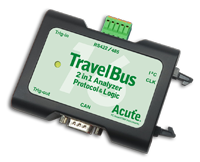
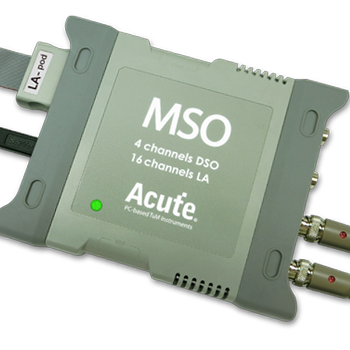
All Supporting Products
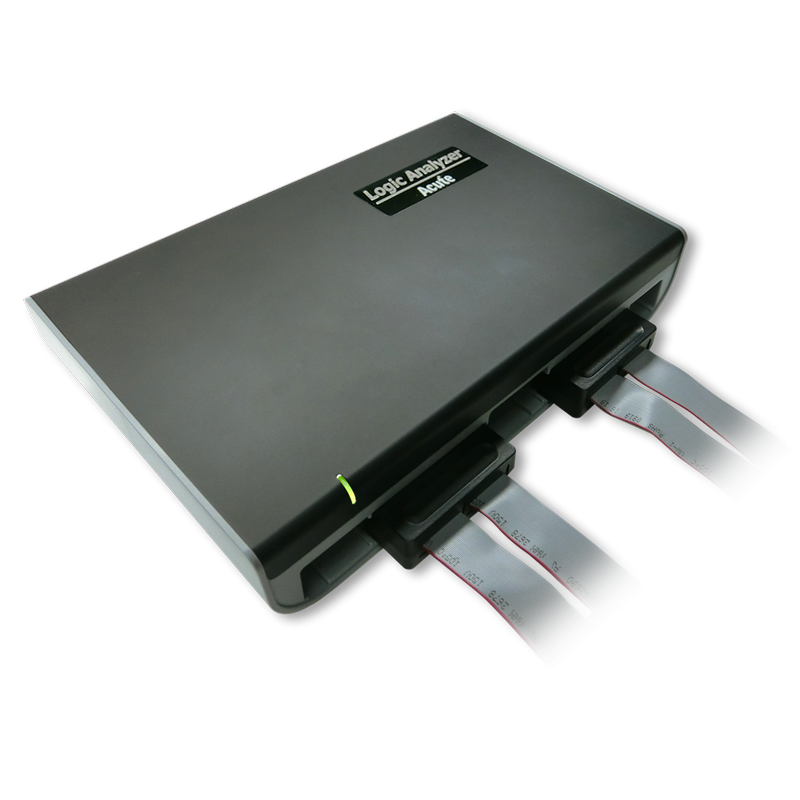
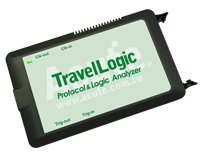
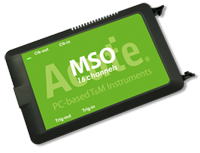
Ready to analyze this protocol?
See how Acute instruments capture and decode this protocol in real time. Request a demo or contact our team.
How to Analyze OA3p with Acute Instruments
Connect your Acute logic analyzer to the automotive Ethernet interface signals under test.
Attach a ground lead to the target board's ground reference.
In the Acute software, select the OA3p / OPEN Alliance protocol decoder and assign the interface signals to the correct input channels.
Configure the decoder for the specific OPEN Alliance specification and test scenario.
Capture and analyze protocol-level traffic, verifying conformance to OPEN Alliance specifications and identifying interoperability issues.