LTPI Protocol Support
Computers & ServersLow Throughput Peripheral Interface
What is LTPI?
LTPI (Low Throughput Peripheral Interface) is an Intel-defined serial bus used for communication between a host processor or BMC and platform peripherals in server and computing platforms. LTPI provides a lightweight, low-pin-count alternative to eSPI for connecting peripherals that do not require high bandwidth, such as GPIO expanders, fan controllers, and basic I/O devices. The interface uses a synchronous clock and data pair, operating at speeds up to 24 MHz. Engineers working on Intel server platform bring-up and debug need LTPI decode capability to verify peripheral enumeration, command/response exchanges, and data transfers between the host and LTPI-attached devices.
LTPI Quick Reference
| type | Serial, synchronous |
| signals | CLK, DATA |
| max Speed | 24 MHz |
| voltage Range | 1.8V |
| features | Intel platform bus |
Acute Instruments Supporting LTPI

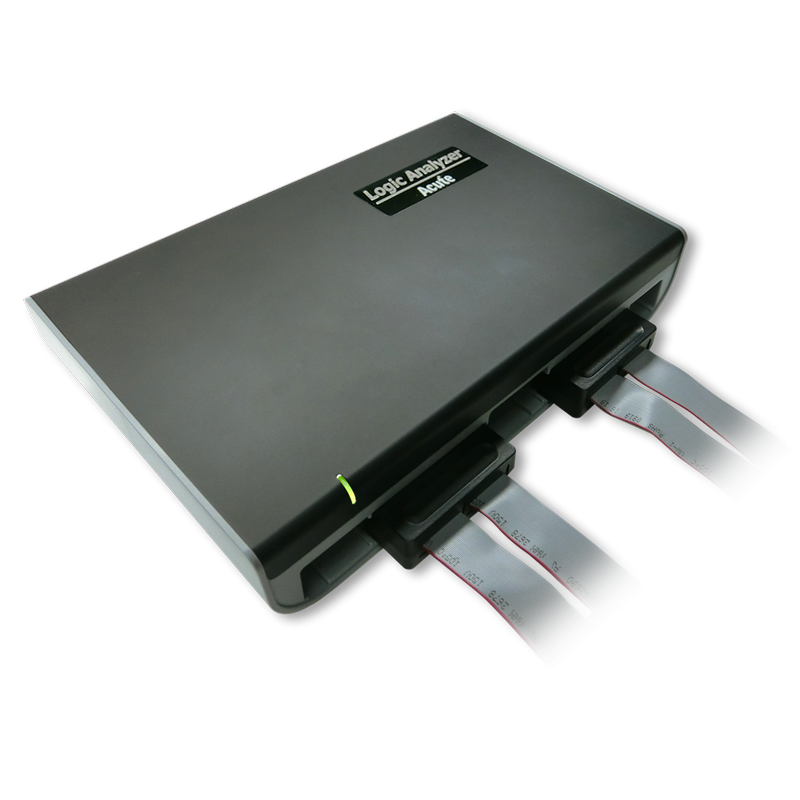
Ready to analyze this protocol?
See how Acute instruments capture and decode this protocol in real time. Request a demo or contact our team.
How to Analyze LTPI with Acute Instruments
Connect your Acute logic analyzer to the LTPI CLK and DATA lines on the platform board.
Attach a ground lead to the target board's ground reference.
In the Acute software, select the LTPI protocol decoder and assign CLK and DATA to the correct input channels.
Configure the decoder for the expected bus speed and framing parameters.
Capture and view decoded LTPI transactions showing command types, register addresses, and data payloads.