PMBus Protocol Support
PowerPower Management Bus
What is PMBus?
PMBus (Power Management Bus) is an open-standard power management protocol built on top of SMBus, designed for digital communication with and control of power conversion devices such as voltage regulators (VRMs), DC-DC converters, power supplies, and power sequencing controllers. The PMBus specification defines a comprehensive set of standardized commands for setting output voltage, configuring current limits, reading telemetry data (voltage, current, temperature, power), managing fault responses, and controlling power supply sequencing. PMBus uses the same two-wire SDA/SCL interface as SMBus and I2C, operating at up to 400 kHz. Data values in PMBus use a linear format (Linear11 or Linear16) for transmitting real-world measurements with defined exponents and mantissas. PMBus is extensively used in servers, telecom equipment, data center power infrastructure, networking equipment, and any system requiring intelligent power management. Protocol analysis for PMBus is vital because power management failures can damage hardware or cause system instability. Engineers need to verify that voltage setpoints are correctly programmed, that telemetry readings match expected values, that fault thresholds are properly configured, and that power sequencing follows the required order and timing. Decoding raw PMBus transactions into meaningful command names and scaled engineering values (volts, amps, watts) is essential for efficient debugging.
PMBus Quick Reference
| type | Serial, synchronous |
| signals | SDA, SCL (I2C-based) |
| max Speed | 400 kHz |
| voltage Range | 1.8V – 5V |
| features | Power supply control |
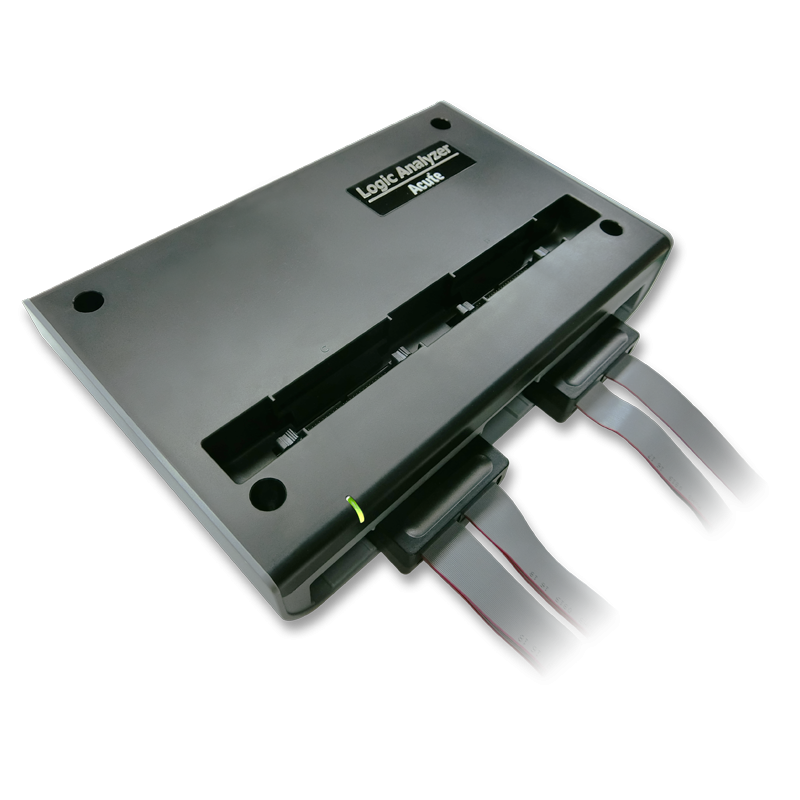
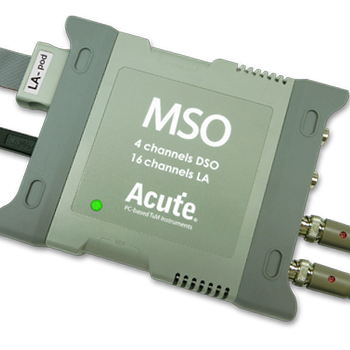
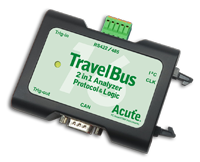
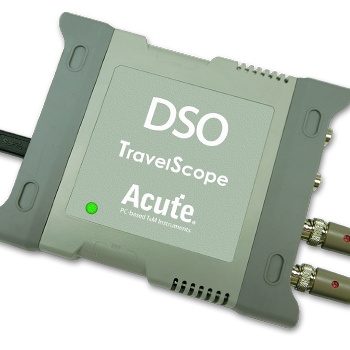
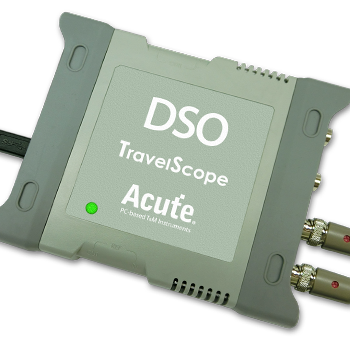
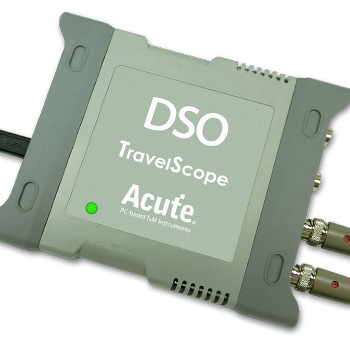
Acute Instruments Supporting PMBus
Recommended Solutions
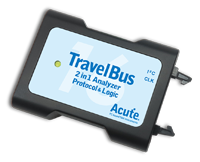
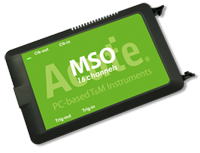
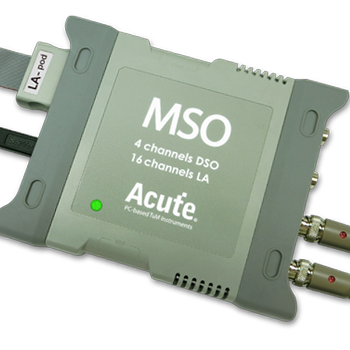
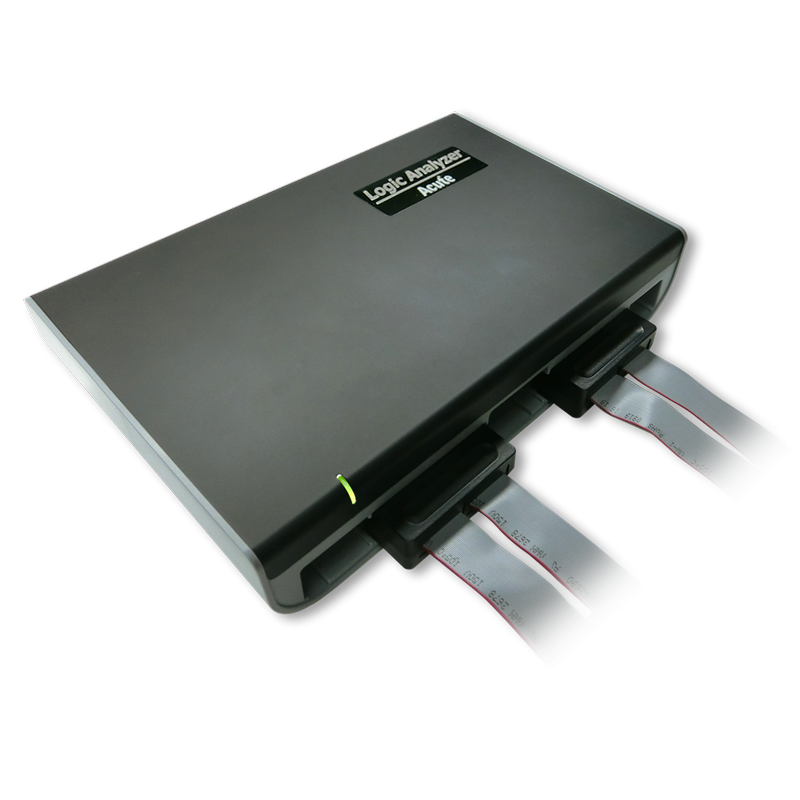
All Supporting Products


Ready to analyze this protocol?
See how Acute instruments capture and decode this protocol in real time. Request a demo or contact our team.
How to Analyze PMBus with Acute Instruments
Connect your Acute logic analyzer to the SDA and SCL lines of the PMBus.
Attach a ground lead to the board's ground reference, ideally near the power management circuitry.
In the Acute software, select the PMBus protocol decoder and assign SDA and SCL to the correct channels.
Configure the decoder to recognize PMBus command codes and data formats (Linear11, Linear16, or Direct).
Capture and view decoded PMBus transactions showing command names (VOUT_COMMAND, READ_VOUT, READ_IOUT, STATUS_WORD, etc.), data values in engineering units, and any fault or warning flags.